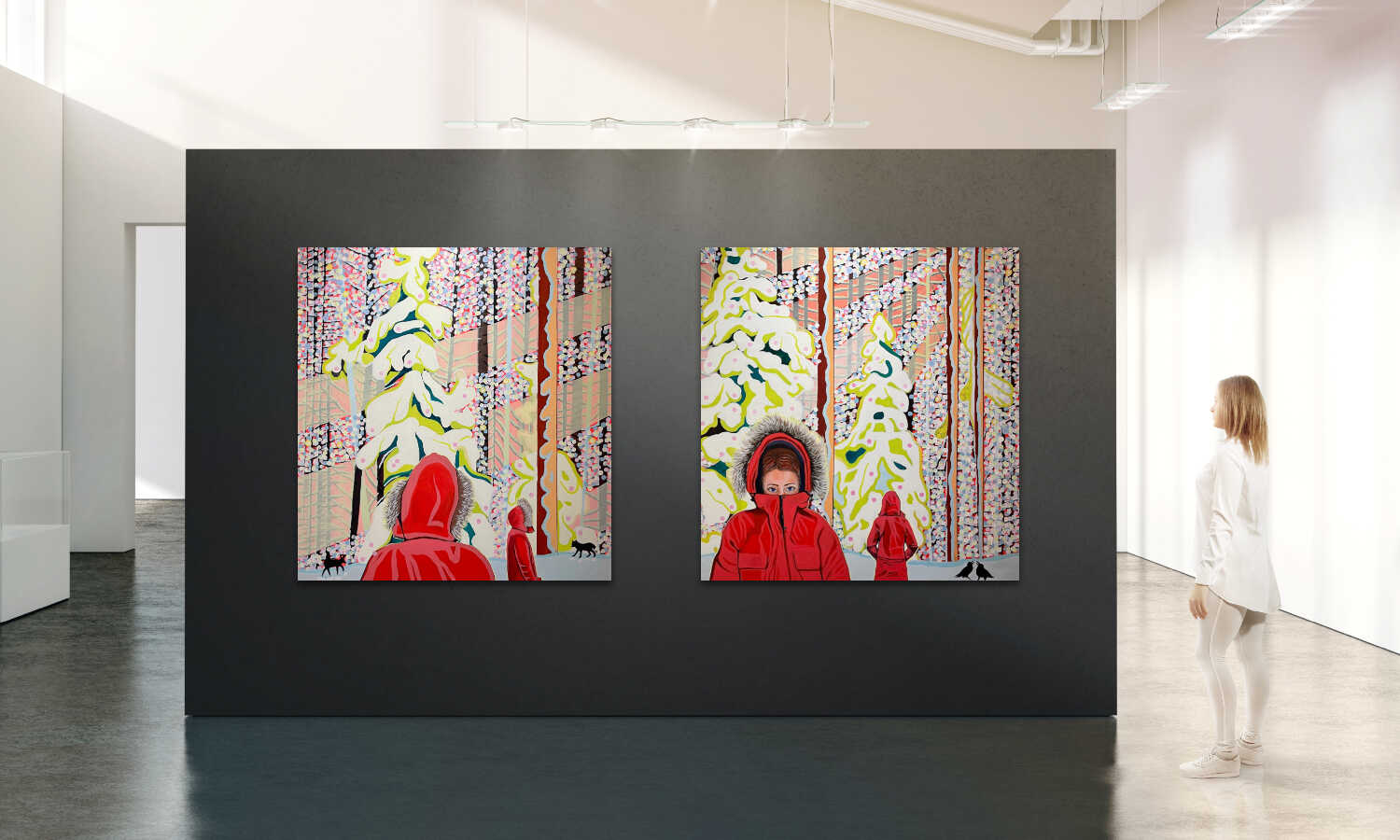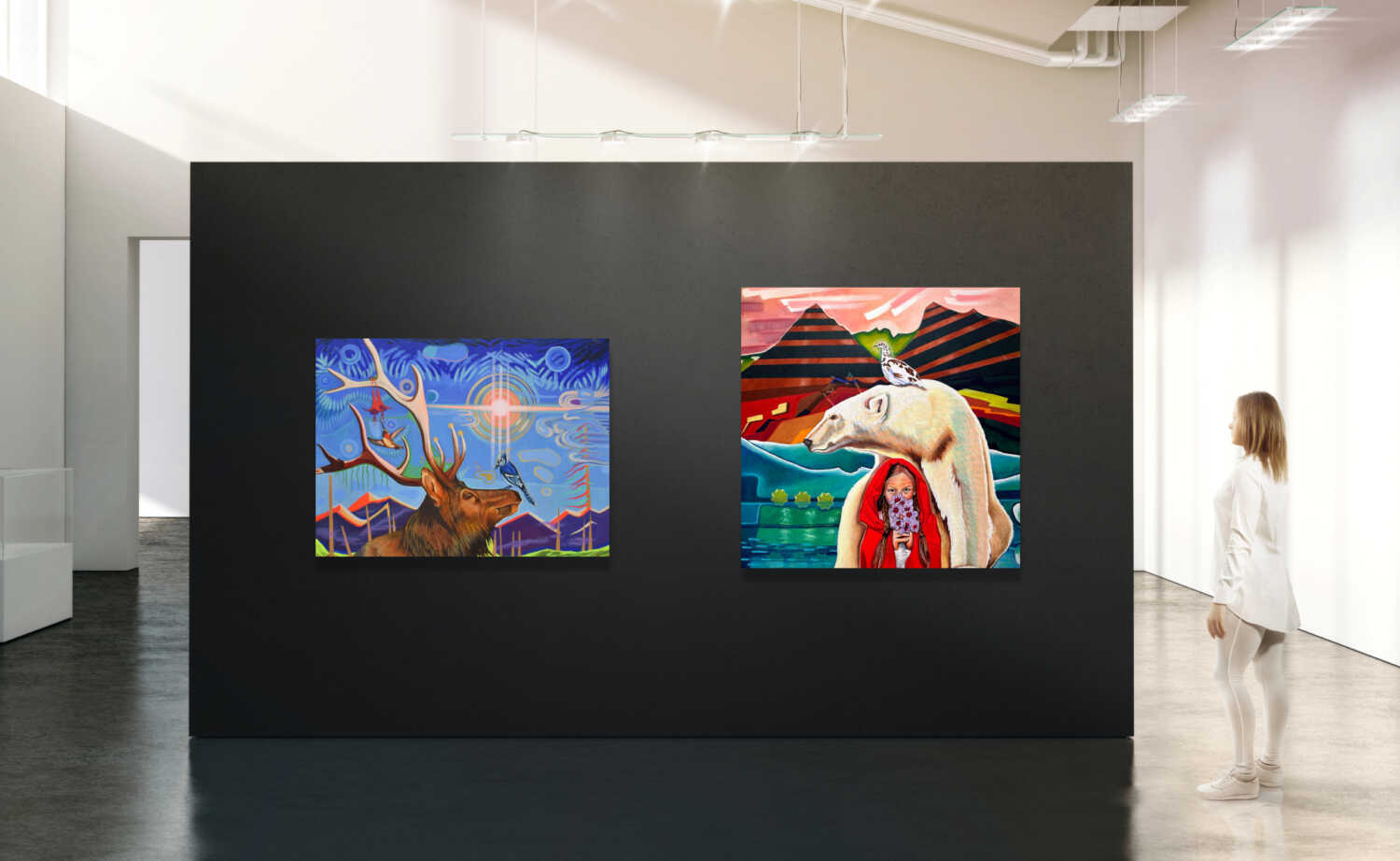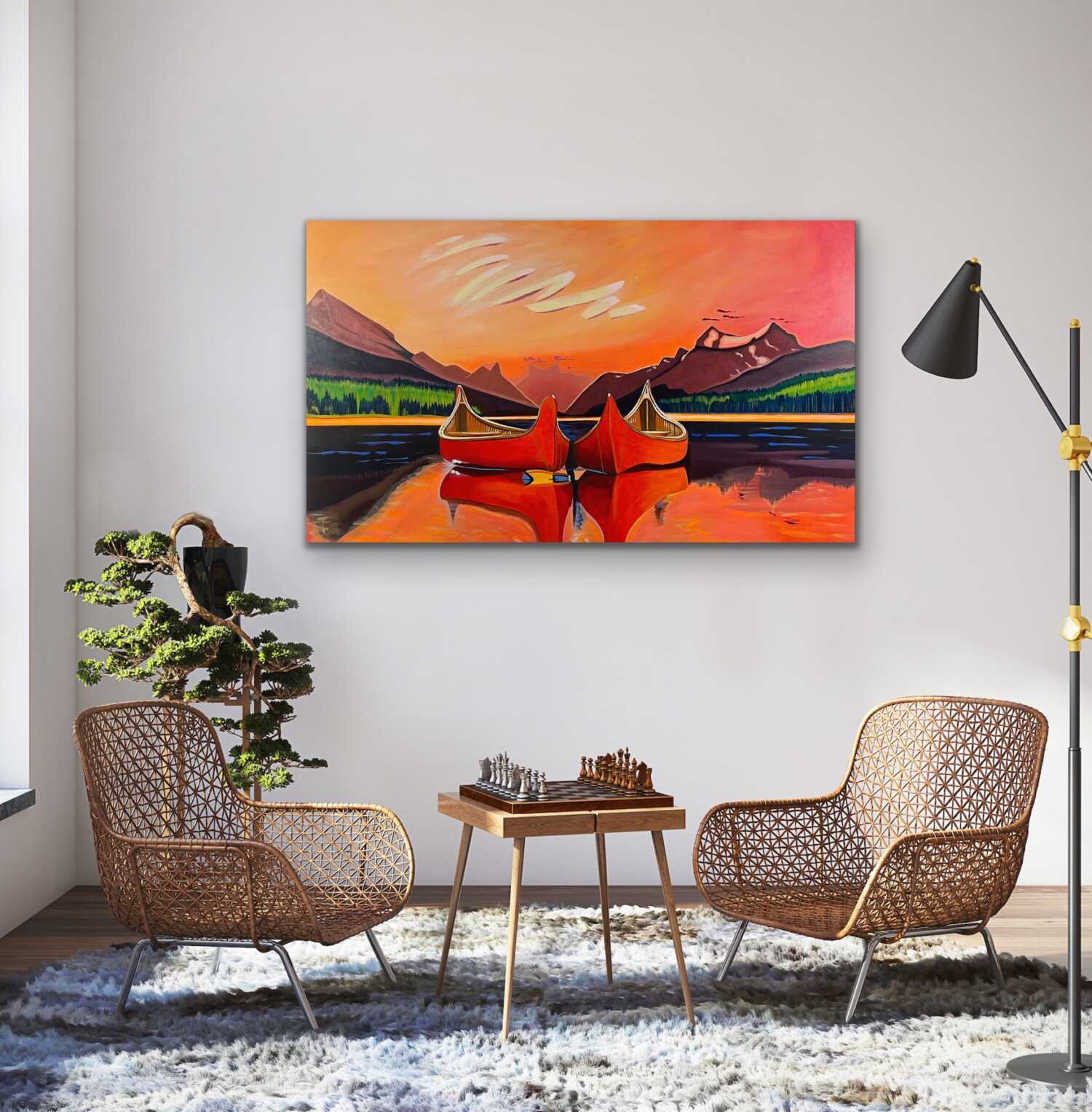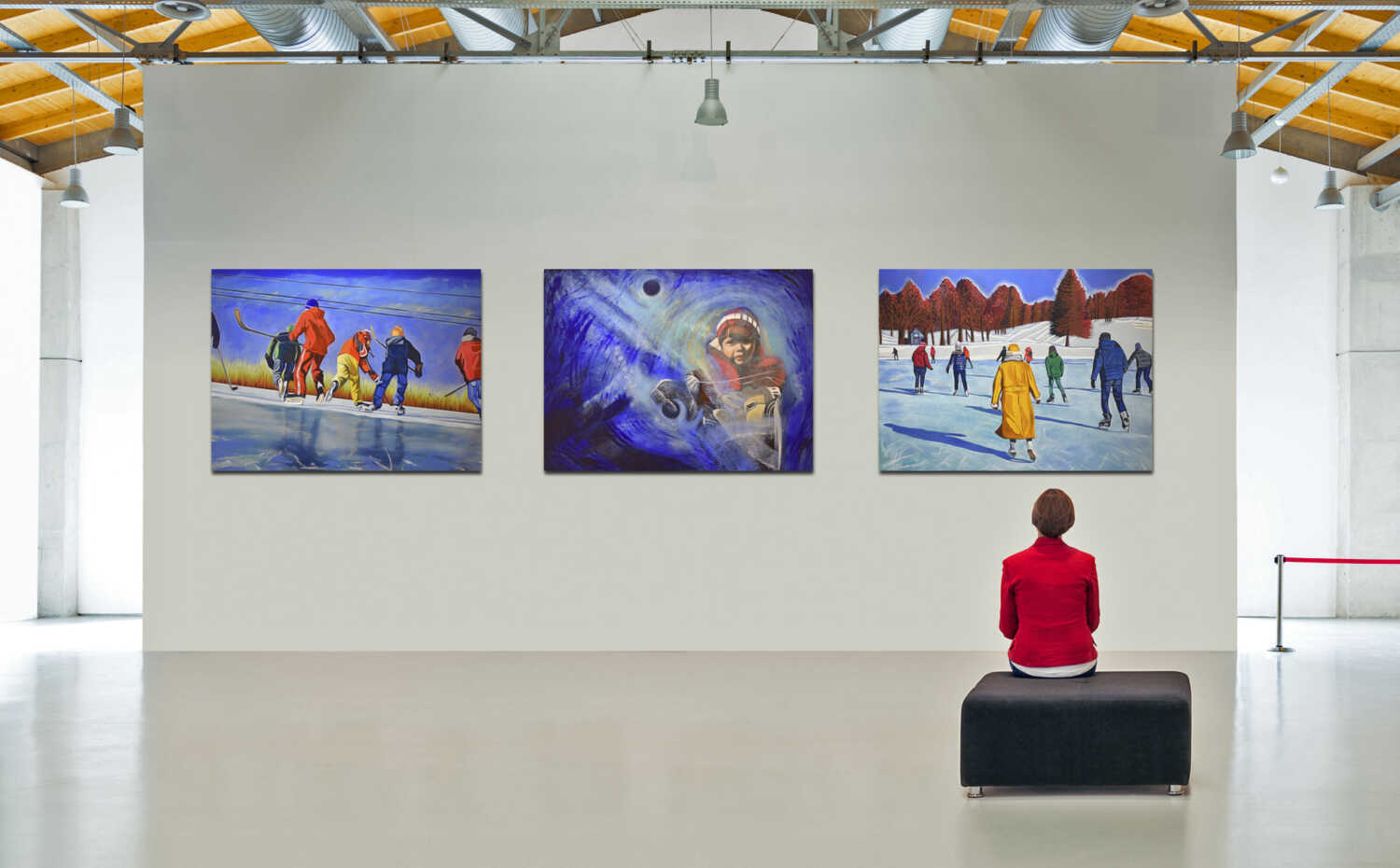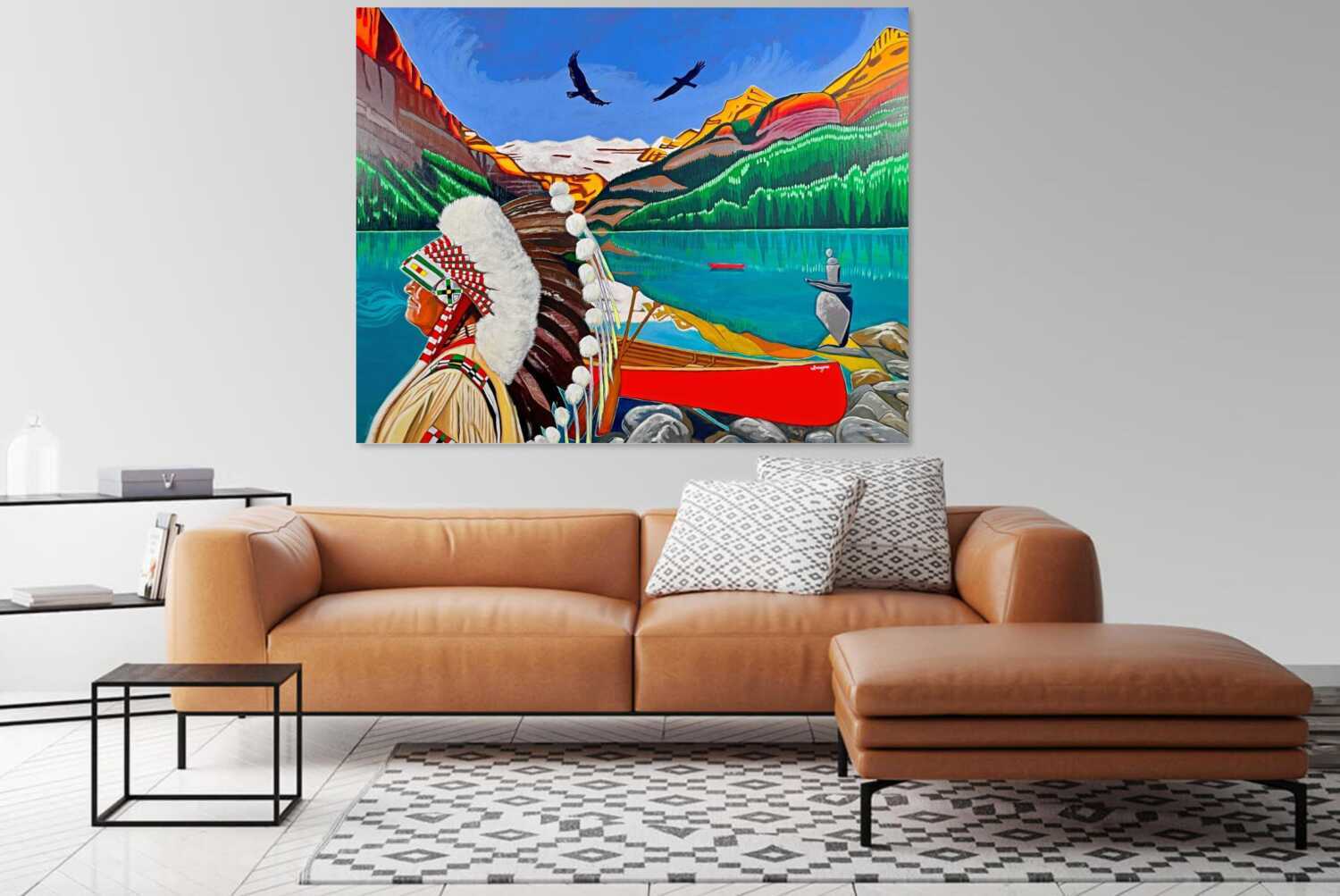
The Habits That Make Me a Successful Artist

It has been said that what you do repeatedly shapes who you become and what you excel at in life. There is a quiet truth in that idea. Success, even in something as abstract as art, is often built on very concrete habits.
Successful Artist

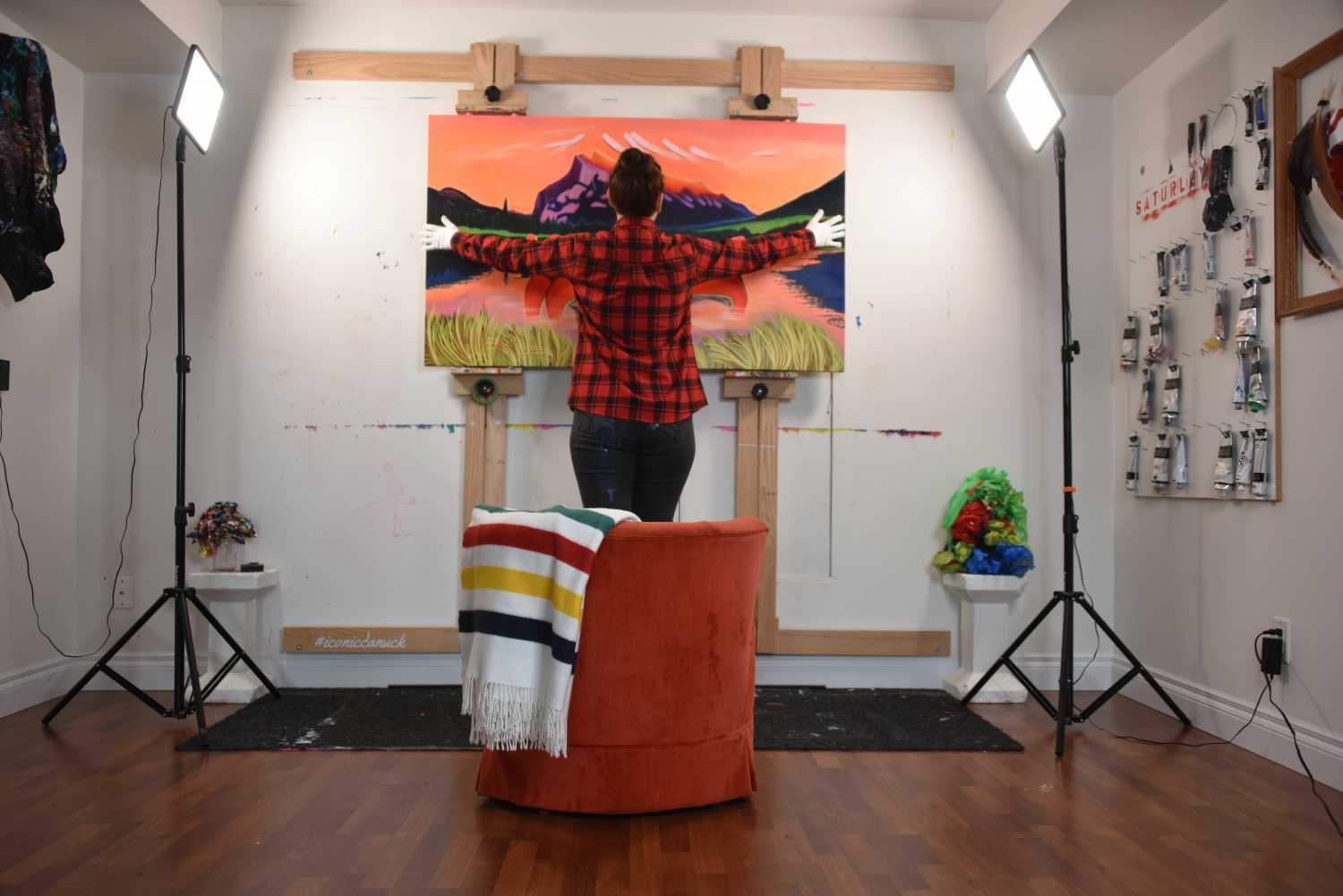
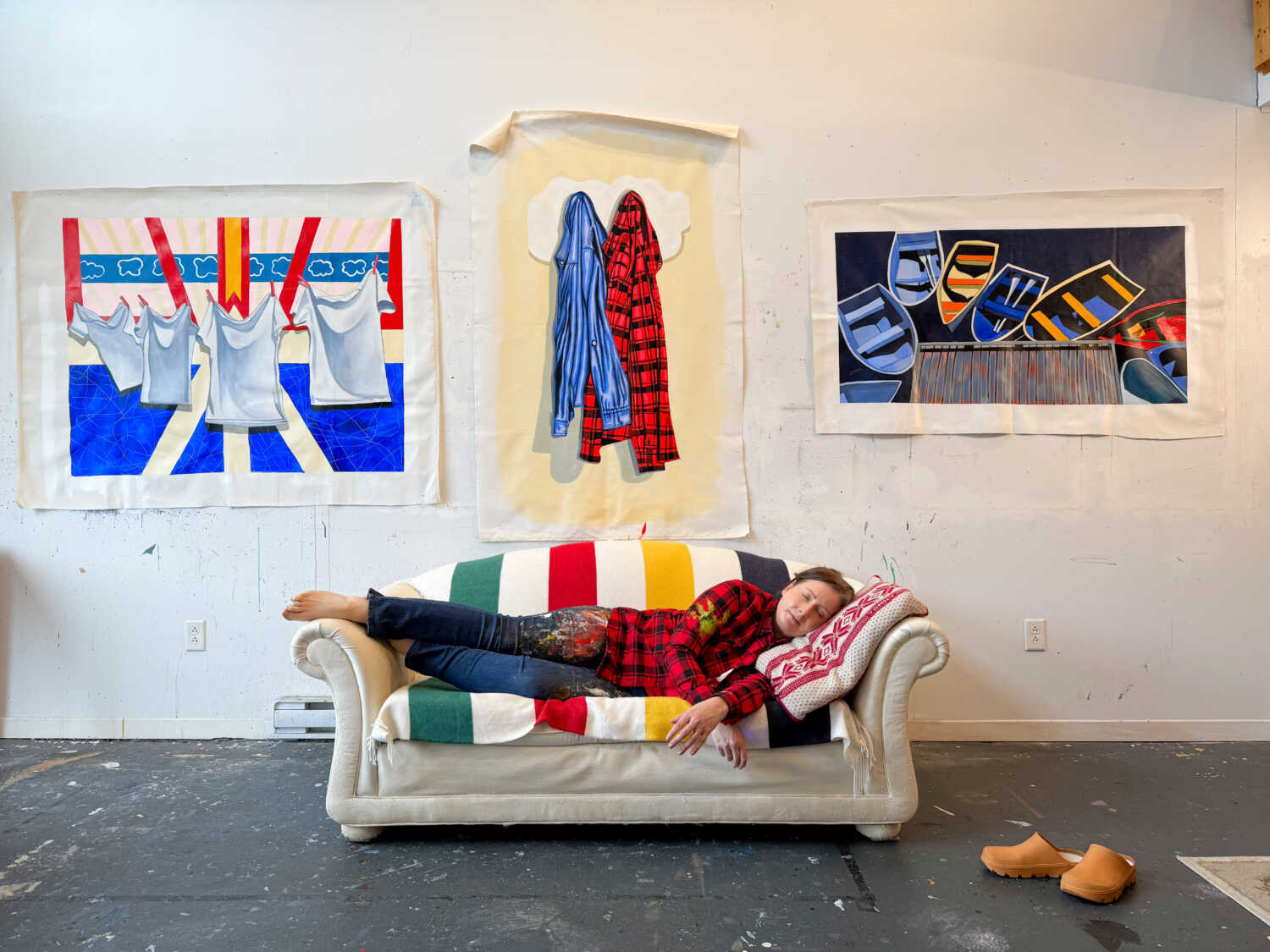
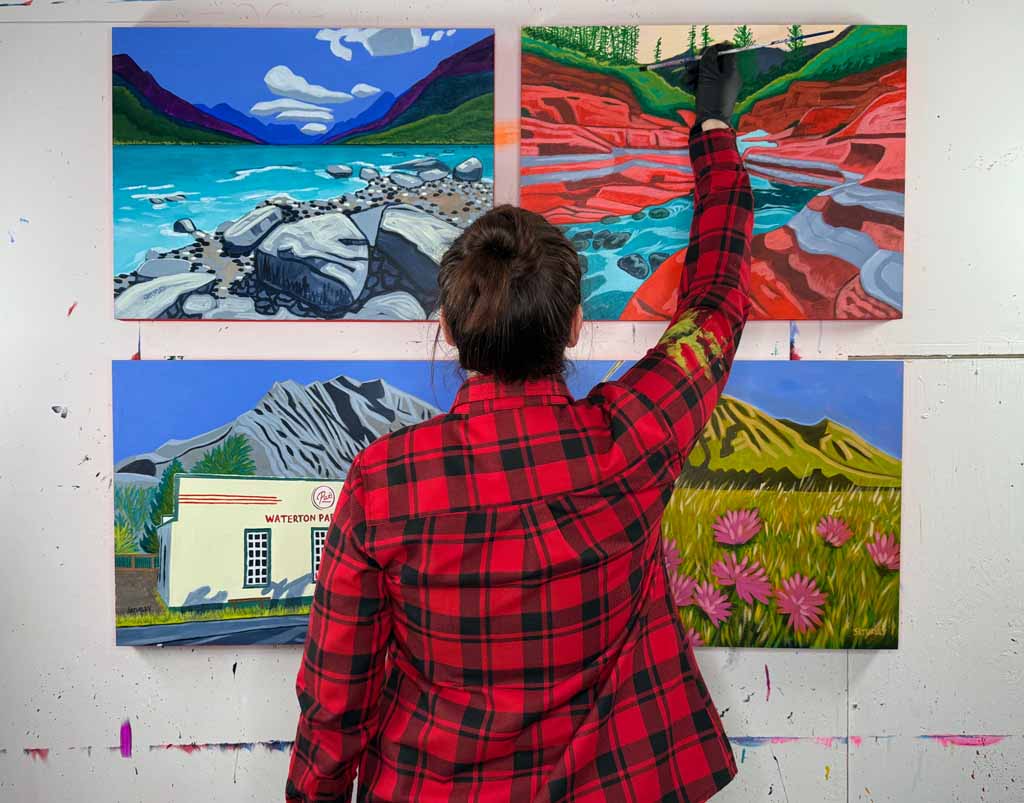
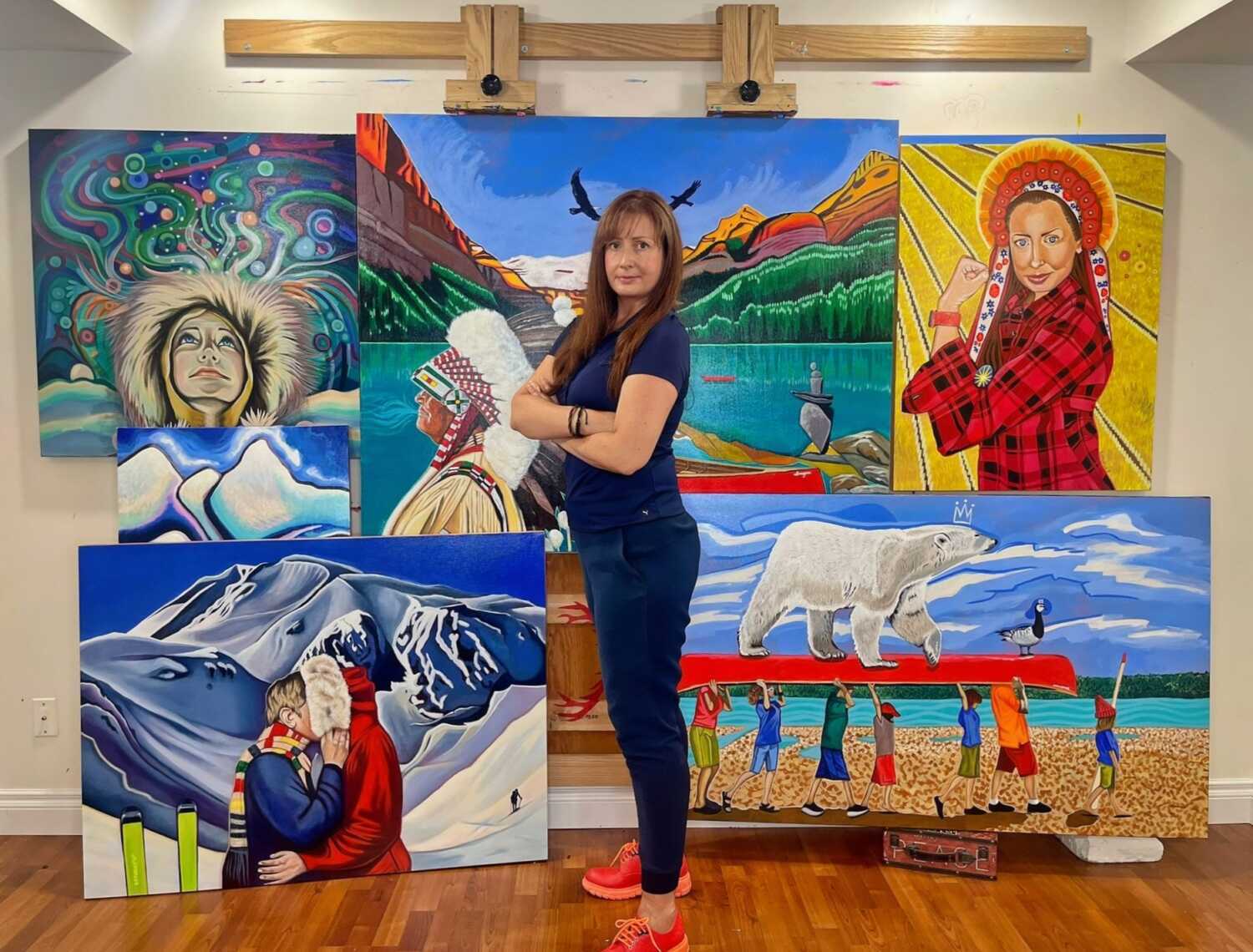
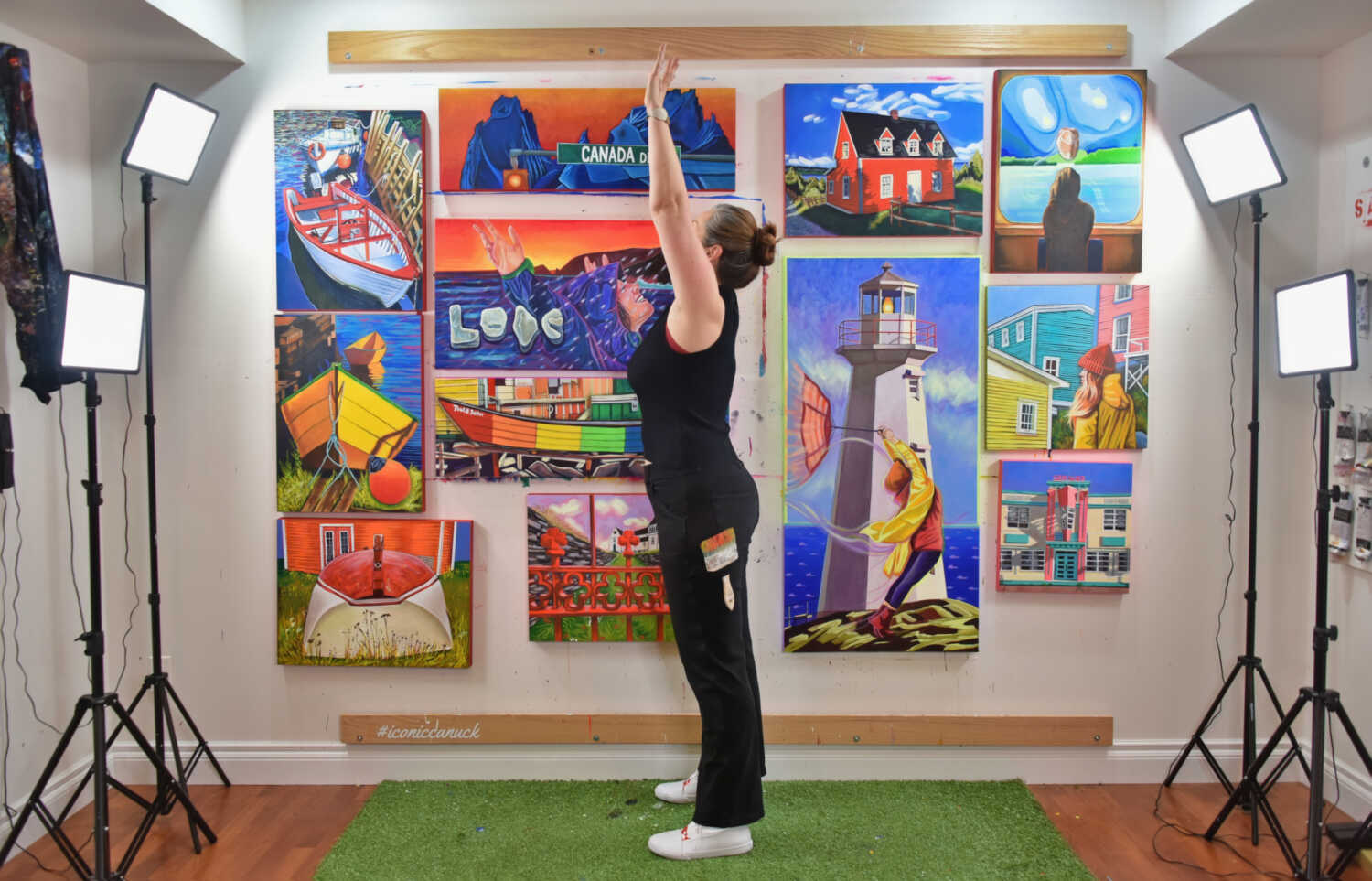
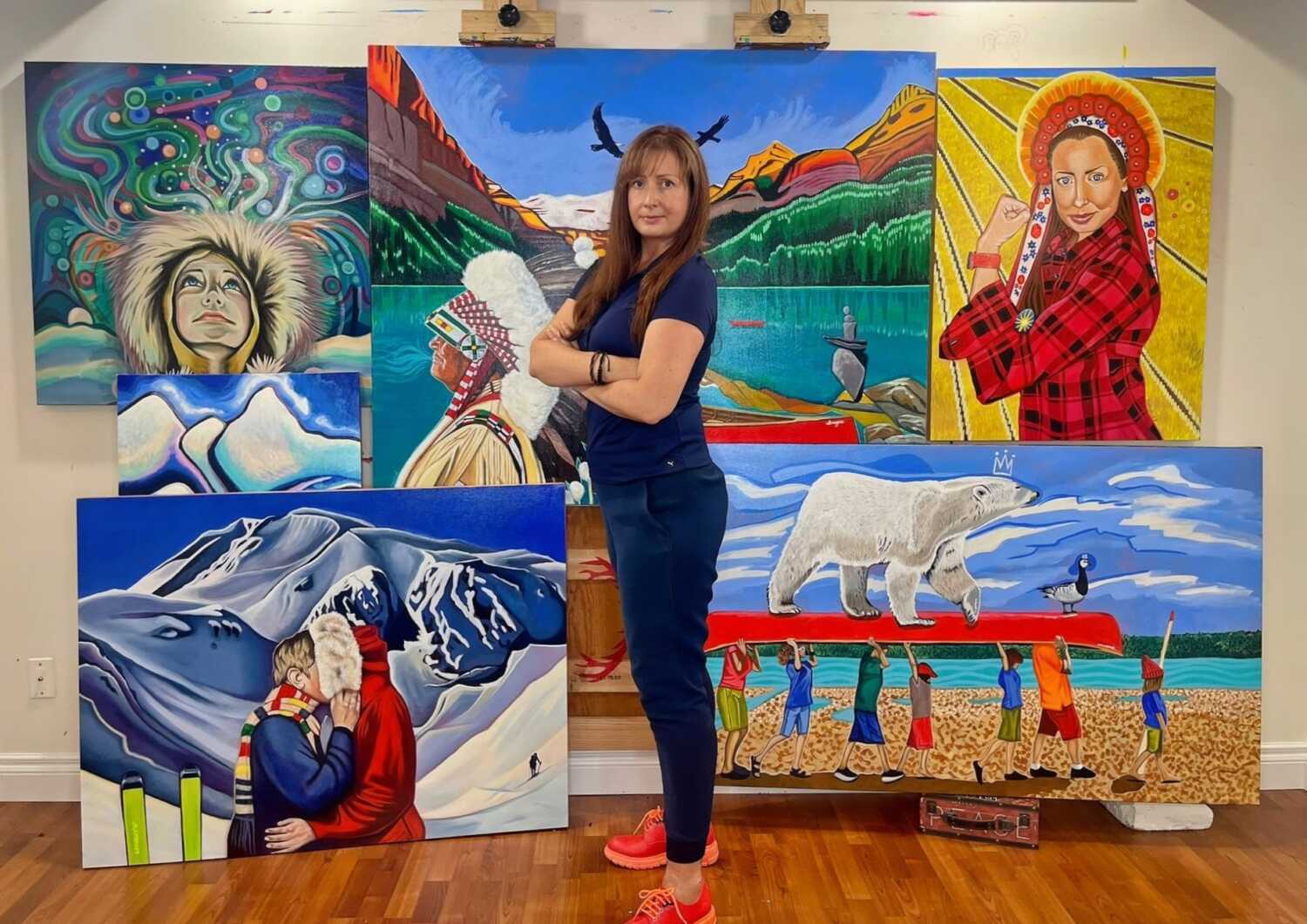
Brandy Saturley in her Victoria BC studio, 2021

In my personal life, I have developed routines that support my health, and these translate directly into my work as an artist. I wake at the same time each day, exercise, eat well, take my supplements, make space for connection, and go to bed at a consistent hour. Some days shift slightly, a different workout, a longer lunch, a glass of wine, but the overall rhythm holds. That consistency creates a foundation.
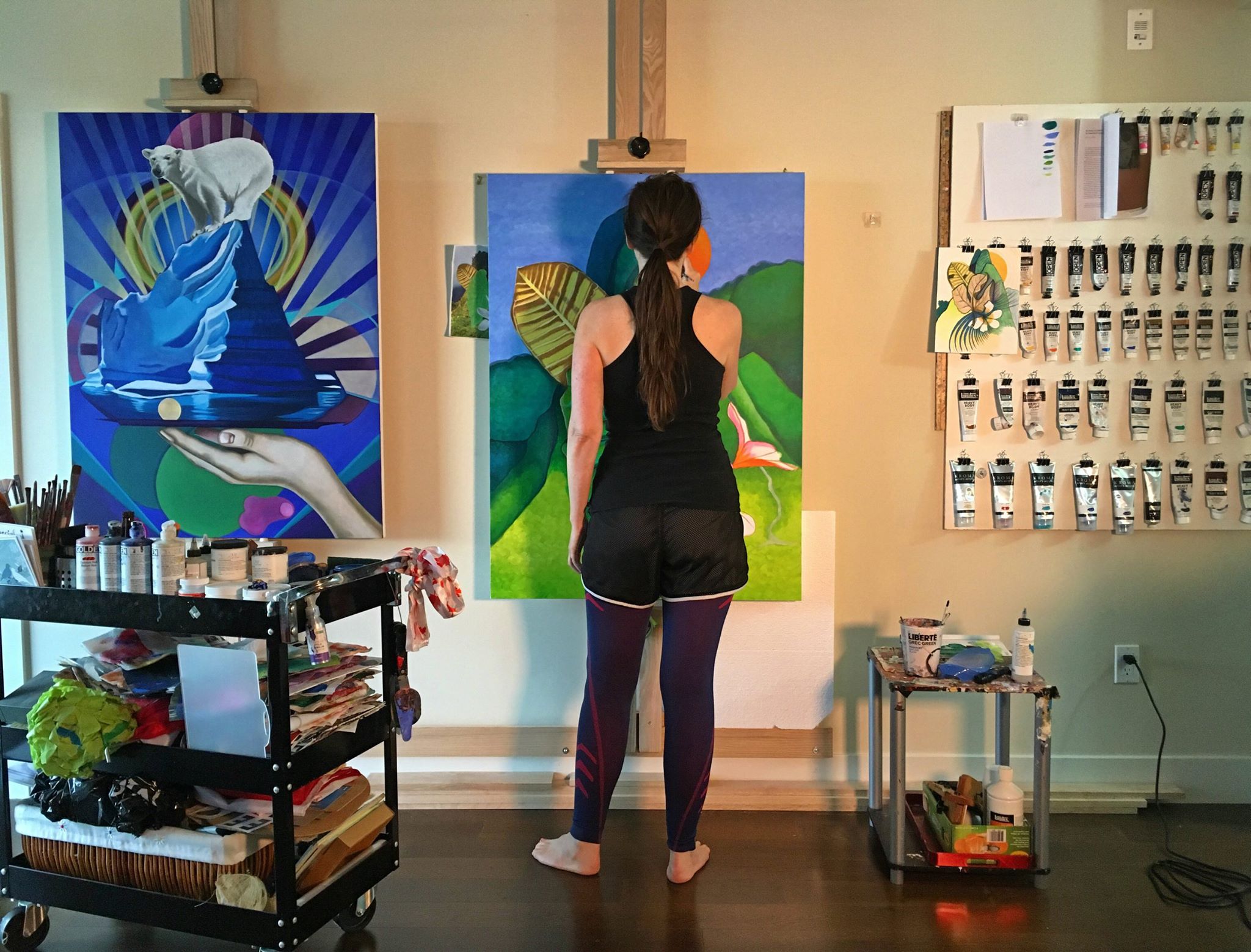
Successful Artist

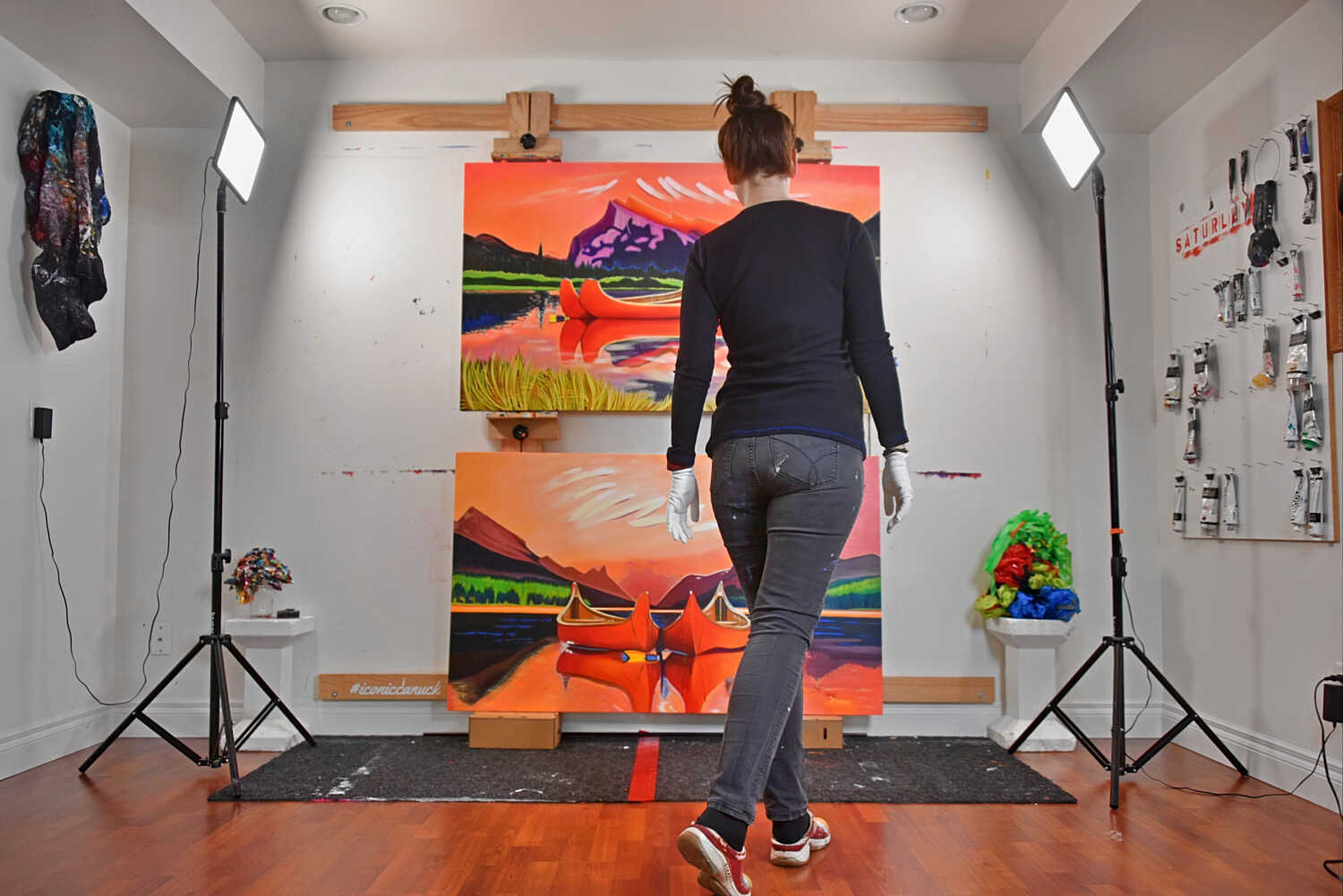
Brandy Saturley in her Langford BC studio, 2017

I approach my art practice in much the same way. There are so many variables in a creative life that it becomes essential to anchor what you can. Structure, for me, is not restrictive. It is supportive. It allows the work to unfold within a reliable framework. Each day includes time spent answering emails, writing, updating platforms, and making art. Most days I am painting. Other days are devoted to gathering reference material. The key is consistency. Even within that structure, I leave room for play, for observation, for reading, and for experimentation. Creativity needs space, but it also needs to show up regularly.
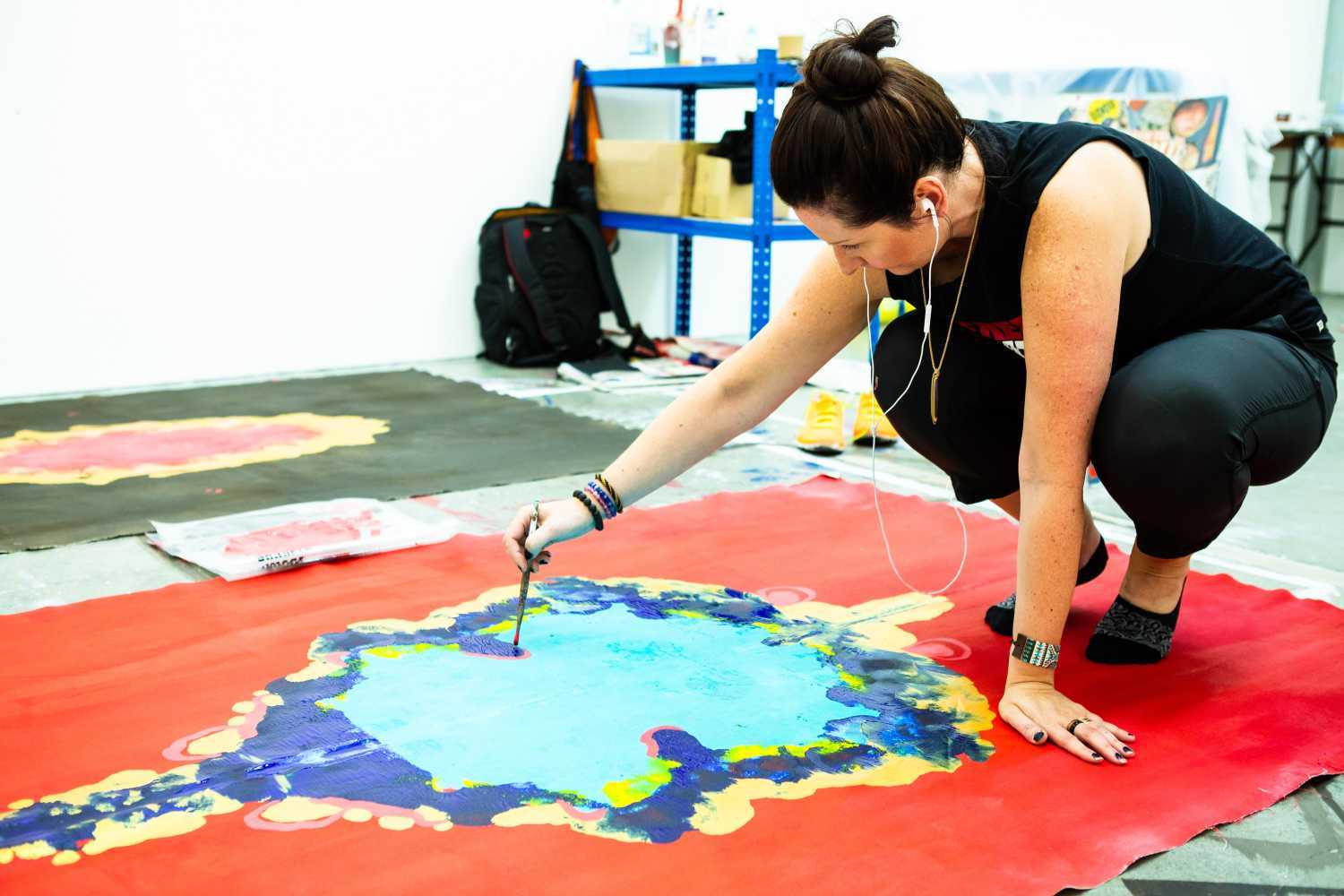
Successful Artist

Brandy Saturley in her studio at the Royal College of Art, London UK, 2019

It is impossible for an artist to fully switch off. We are always absorbing or producing, often without realizing it. Having a structure around that constant motion helps direct it. If I were to draw it, it would look like a large rectangle divided into seven smaller ones for each day of the week, with circles moving between them, overlapping, connecting, carrying ideas forward. In the studio, there is a clear distinction between office work and art-making. Digital versus analog. When I am at the computer, I follow rules. I respond to emails within a few hours, whether it is a collector, a supplier, another artist, or a personal inquiry. Responsiveness is a habit, and it builds trust.
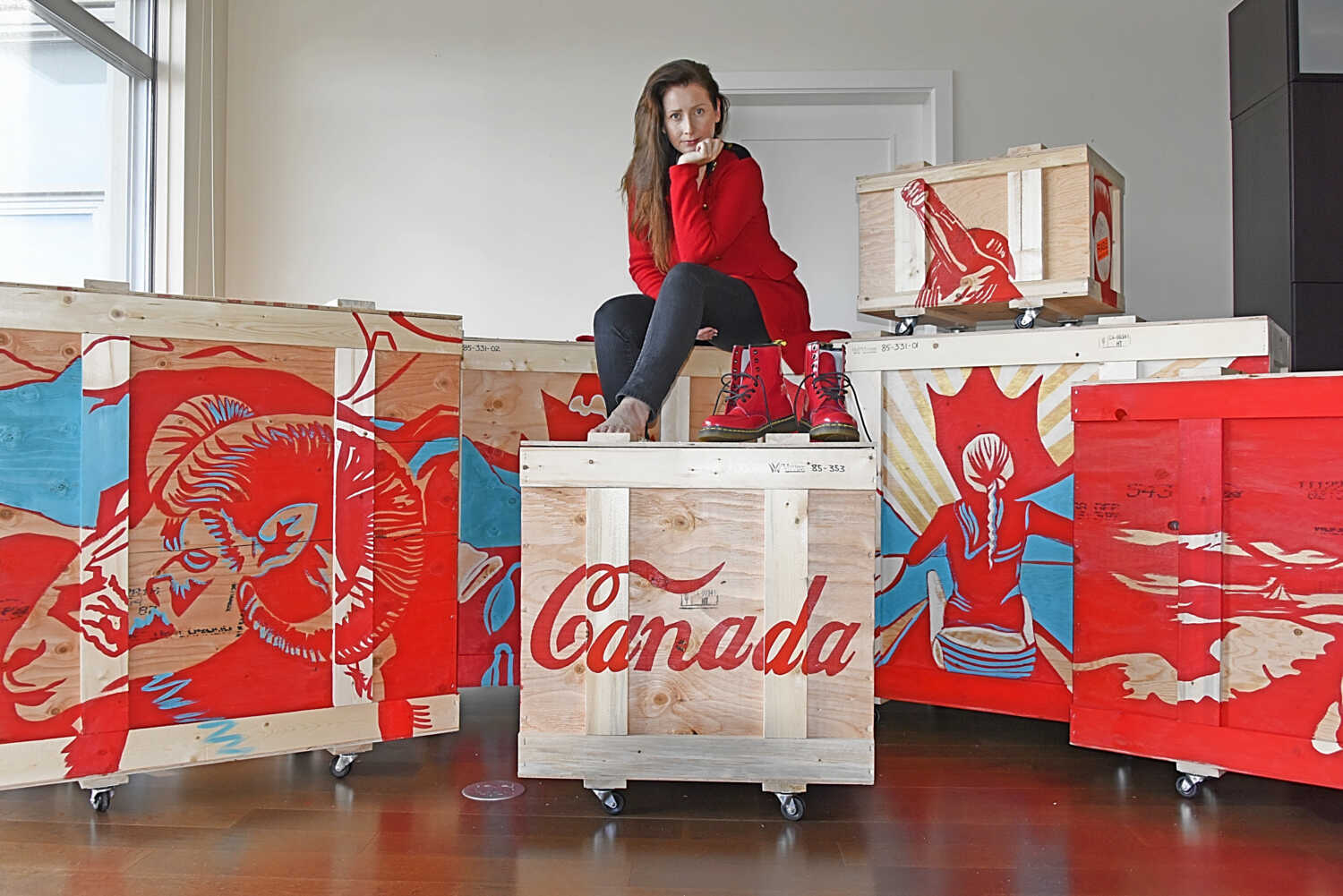
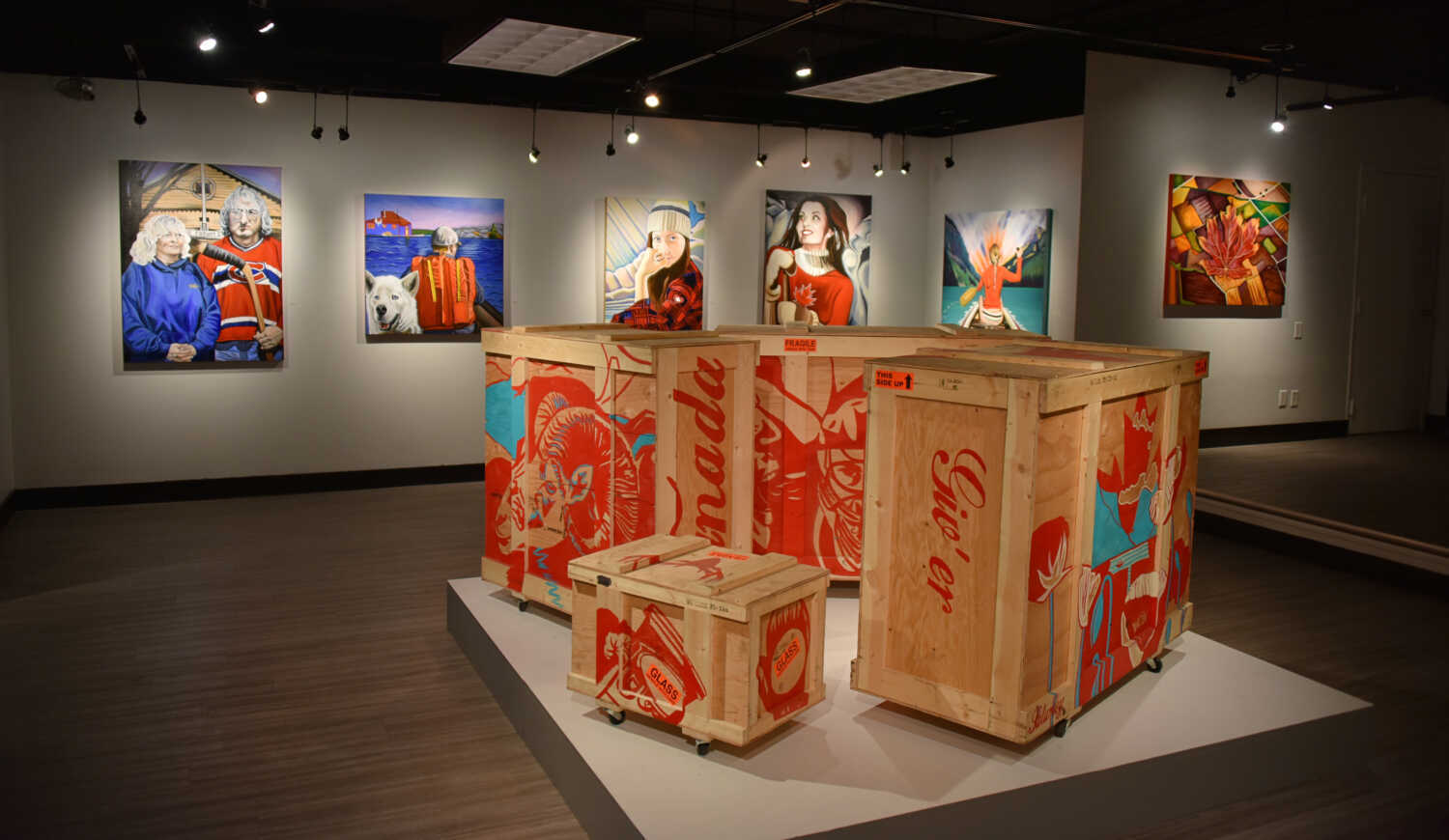
What is Canada?

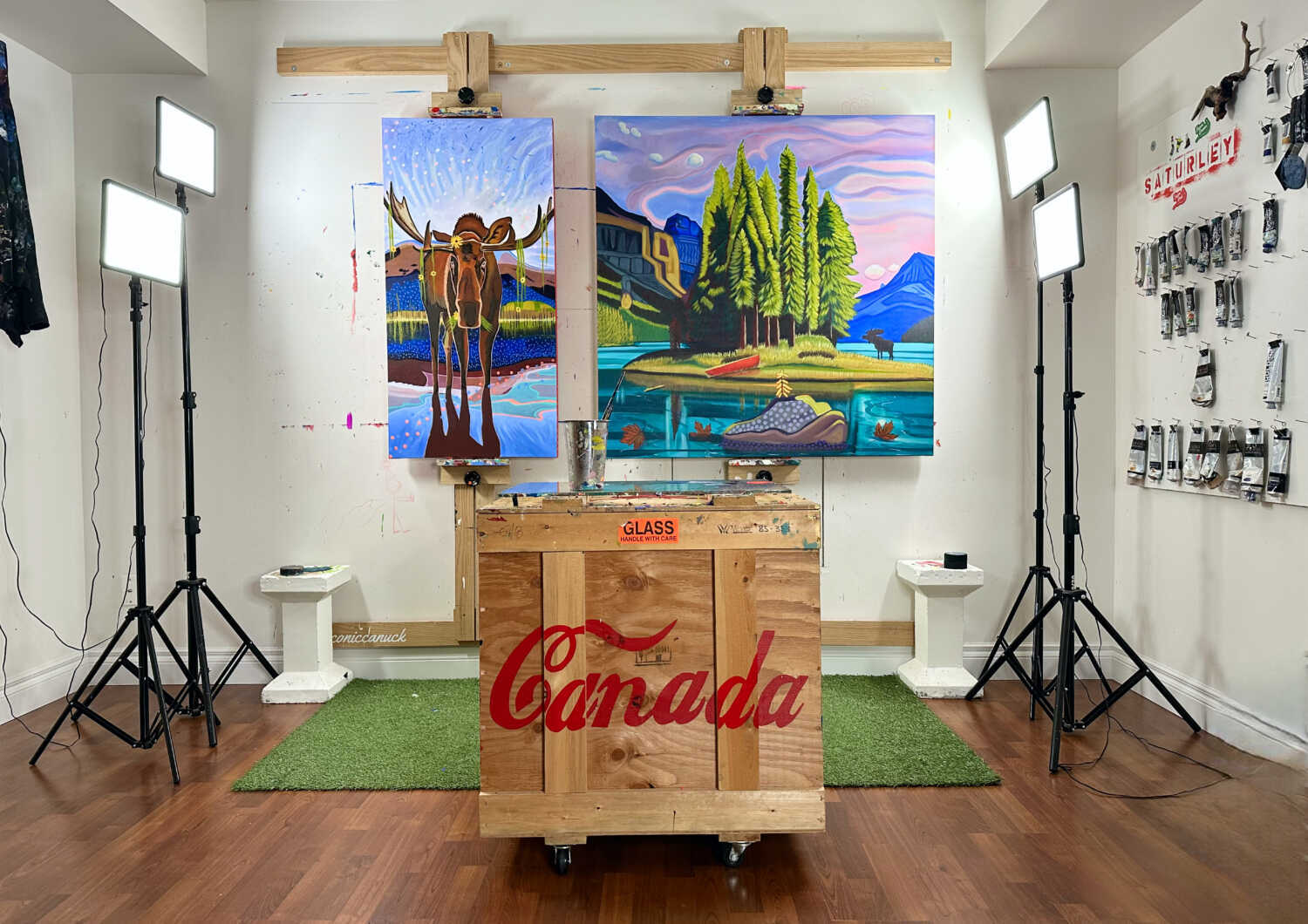
Brandy Saturley on her hand painted art shipping crates, 2017

My writing practice is equally structured. I publish two blog posts per week, maintain a regular cadence across my platforms, and contribute to magazine work monthly. These rhythms keep the conversation around the work active and evolving.

Administrative tasks are handled as they arise. Sales are invoiced promptly, artwork is shipped without delay, and bills are paid on time. I do not let things linger. There is a certain satisfaction in clearing the list, which I reset every Monday morning. A clean slate is its own kind of momentum.

Successful Artist

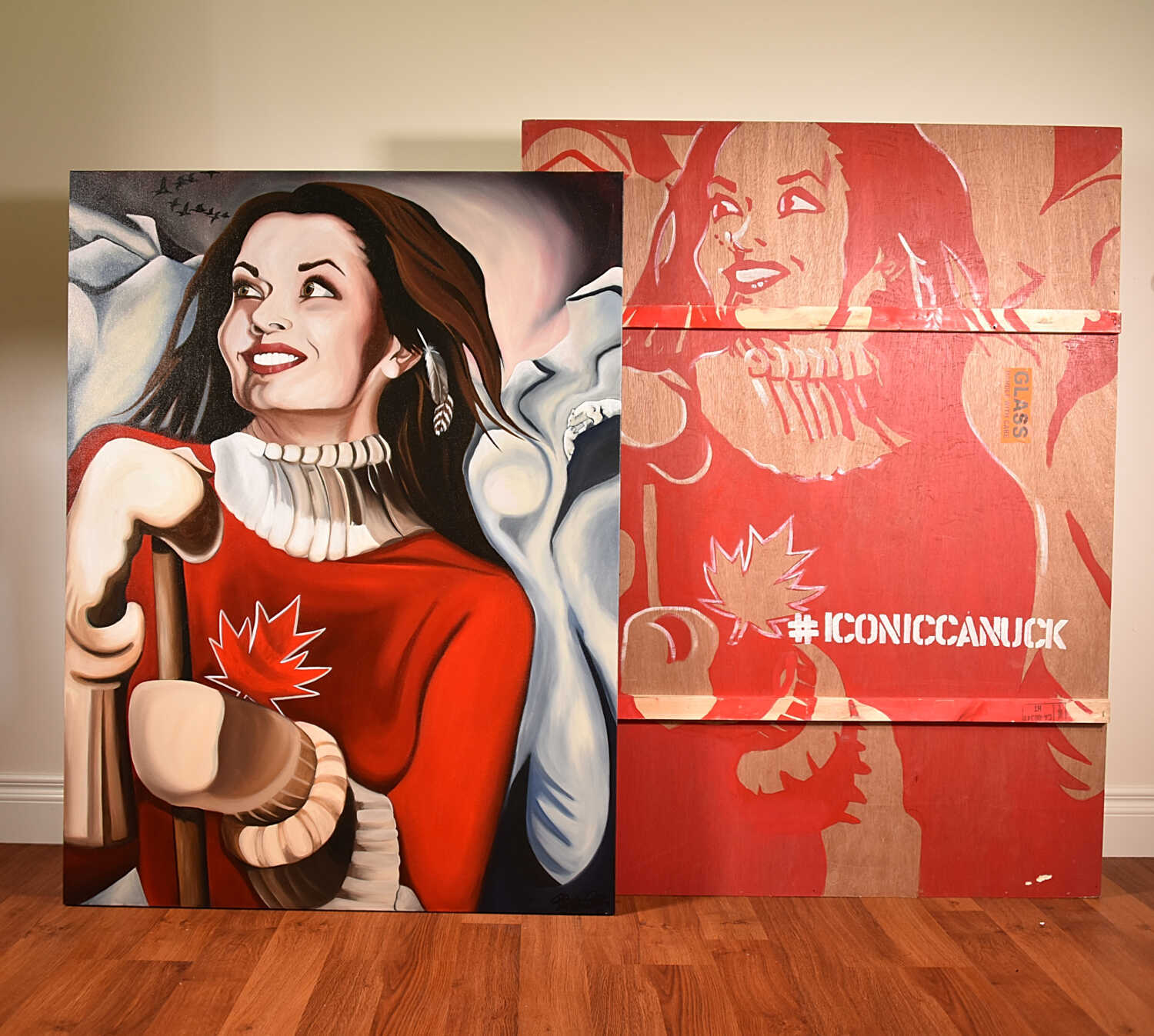
Brandy Saturley with her book, ‘Painting Canada’ – January 2025

Successful Artist: The Art of Thank You

Every interaction carries an opportunity for appreciation. I am deeply grateful for the relationships that support my work, whether with collectors, curators, suppliers, or fellow artists. I express that gratitude often through emails, messages, and especially handwritten notes.
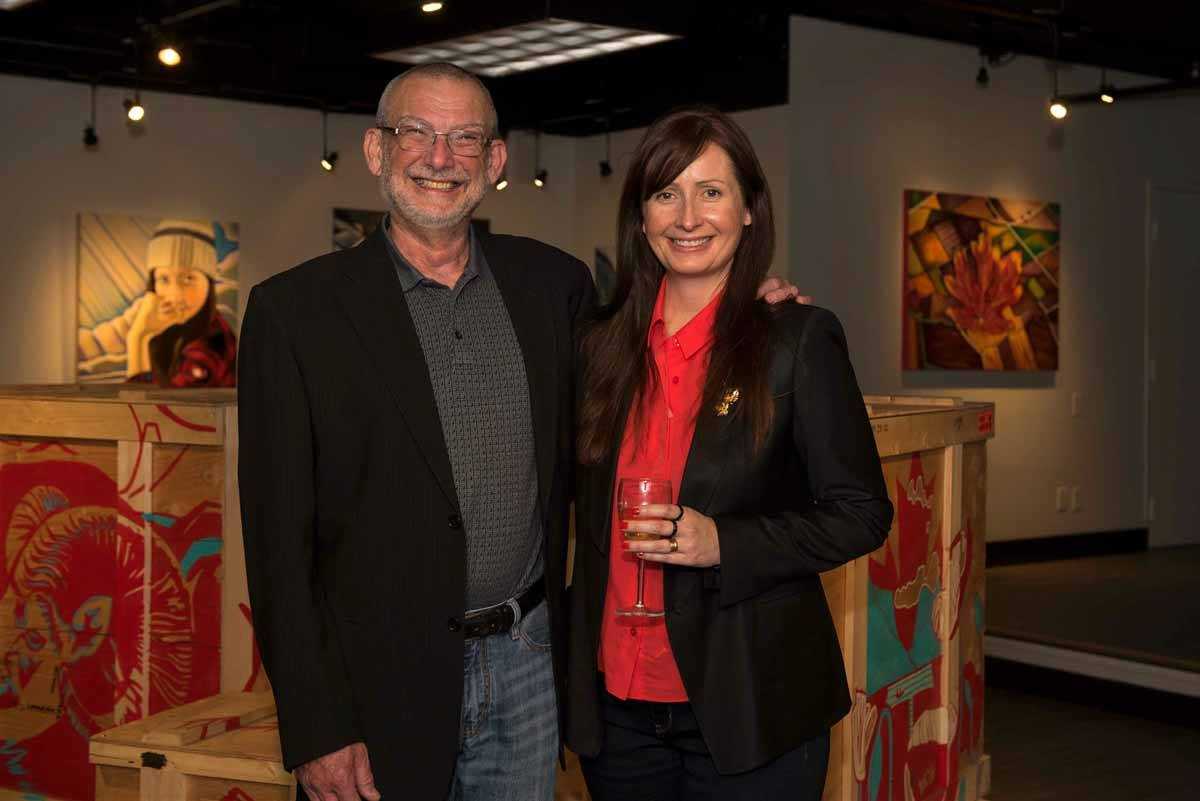
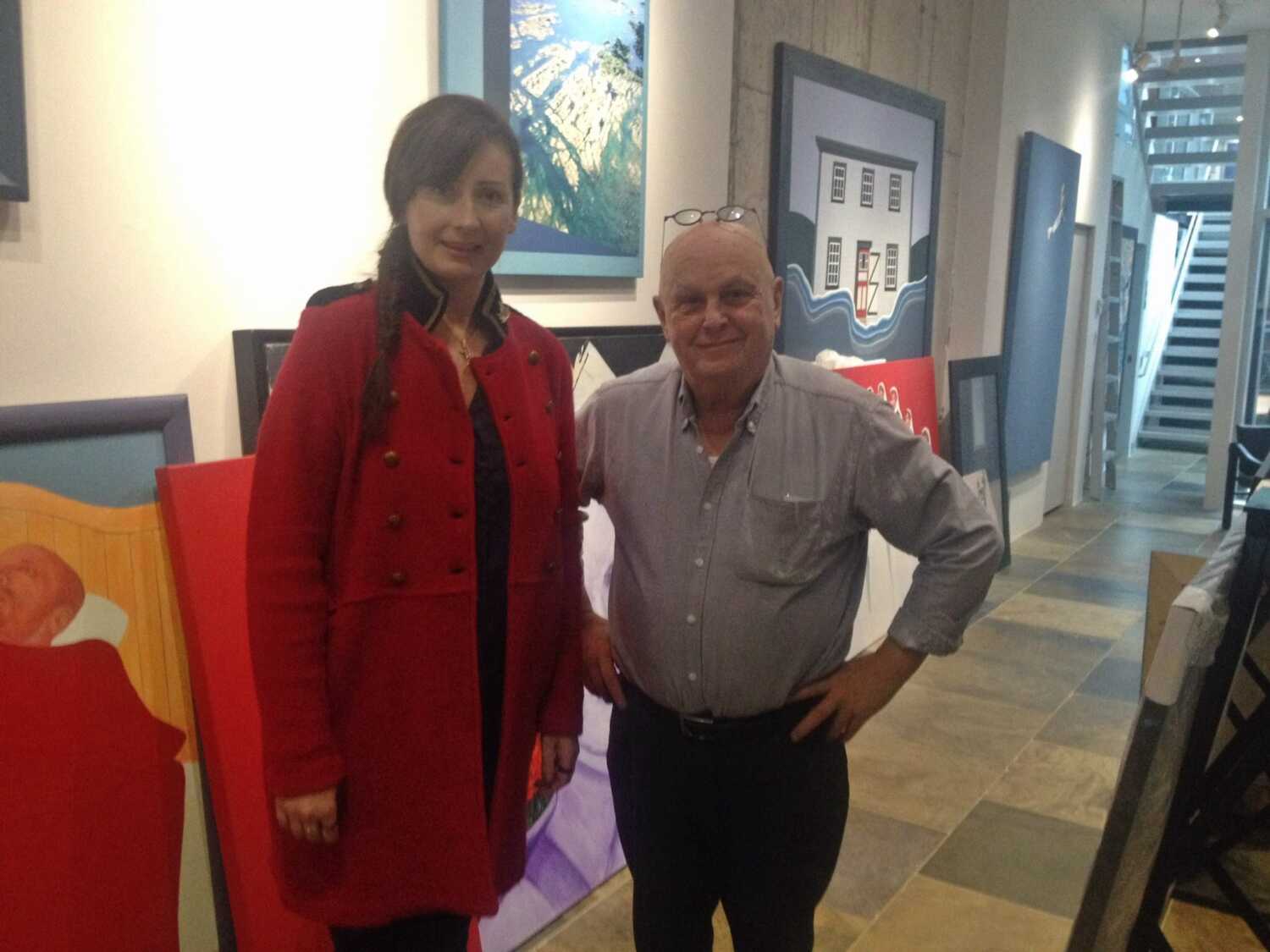
Brandy Saturley with Alberta artist, Gordon Milne

It is a simple act, but a meaningful one. A well-considered thank you has had a lasting impact on my career and my life. Gratitude, when practiced consistently, becomes a powerful force.

These are some of the habits that shape my success as an artist. Not grand gestures, but steady ones. Repeated, refined, and carried forward, day after day.

Why It Matters to Collect from a Committed Artist

For collectors, choosing a work of art is often an emotional decision, a connection to an image, a story, or a feeling that lingers. But behind that moment is the artist’s practice, and that matters more than many realize.
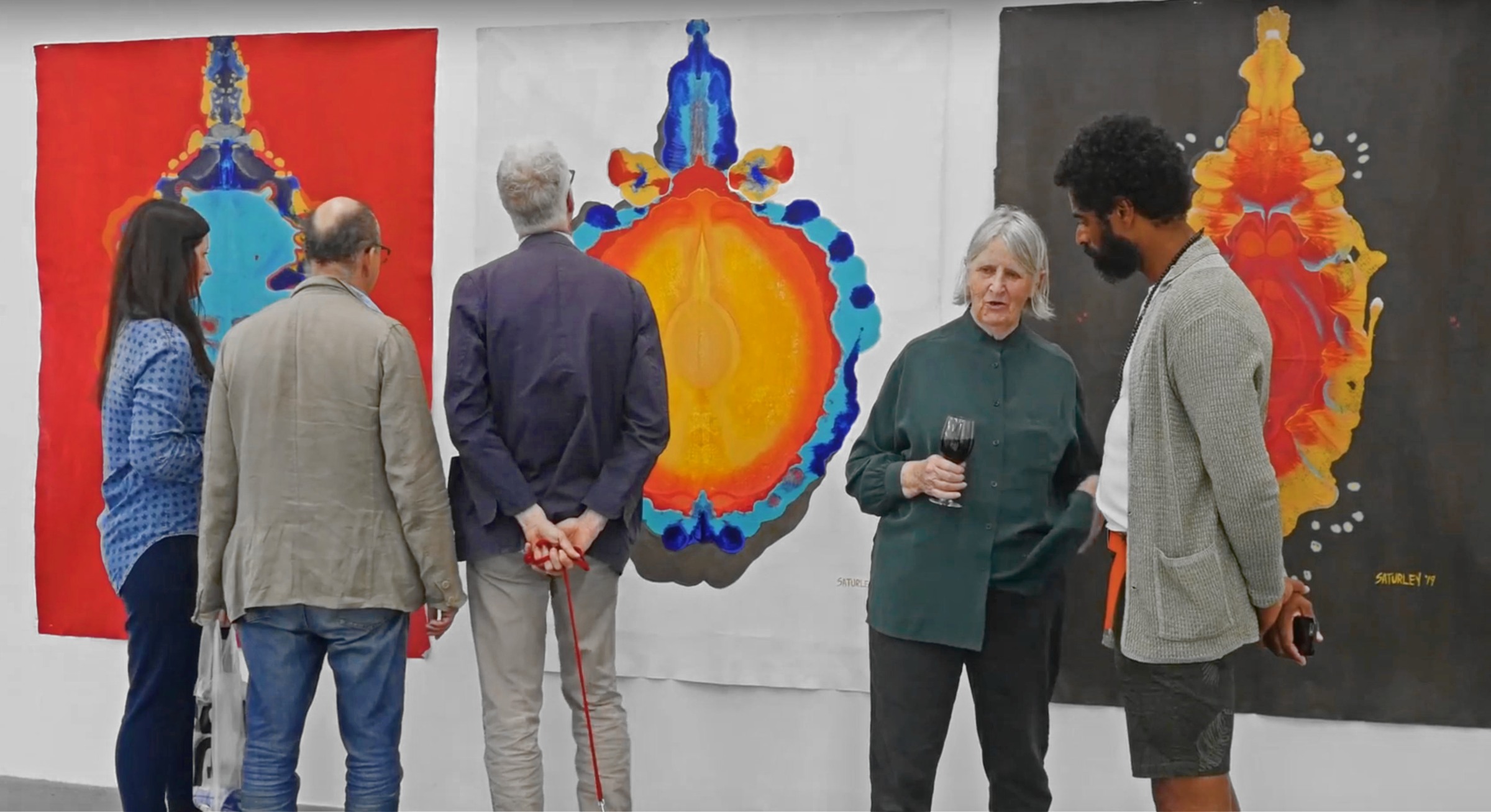
brandy saturley at dyson gallery london

Brandy Saturley and art collectors – Dyson Gallery at Royal College of Art – London UK, 2019

A committed artist brings consistency, not just in output, but in vision. The work evolves, deepens, and builds upon itself over time. Each painting becomes part of a larger conversation, a body of work that holds together with intention and clarity. When you collect from an artist with an established and disciplined practice, you are stepping into that ongoing narrative. There is also a level of professionalism that supports the experience. Timely communication, careful handling of the work, thoughtful presentation, and follow-through are not small details. They shape the relationship between artist and collector and ensure that the acquisition feels as considered as the work itself.
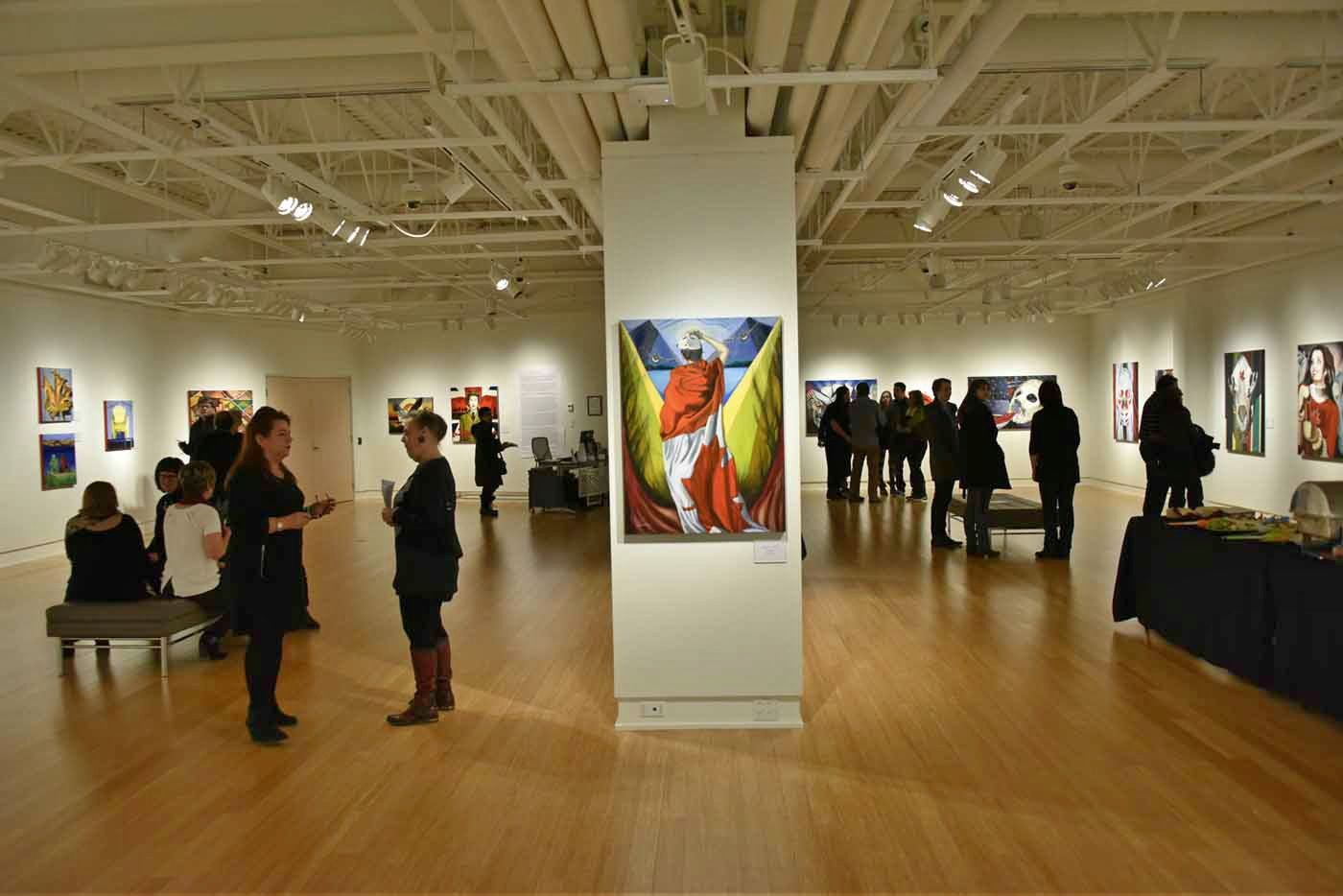
How to Invest in Art

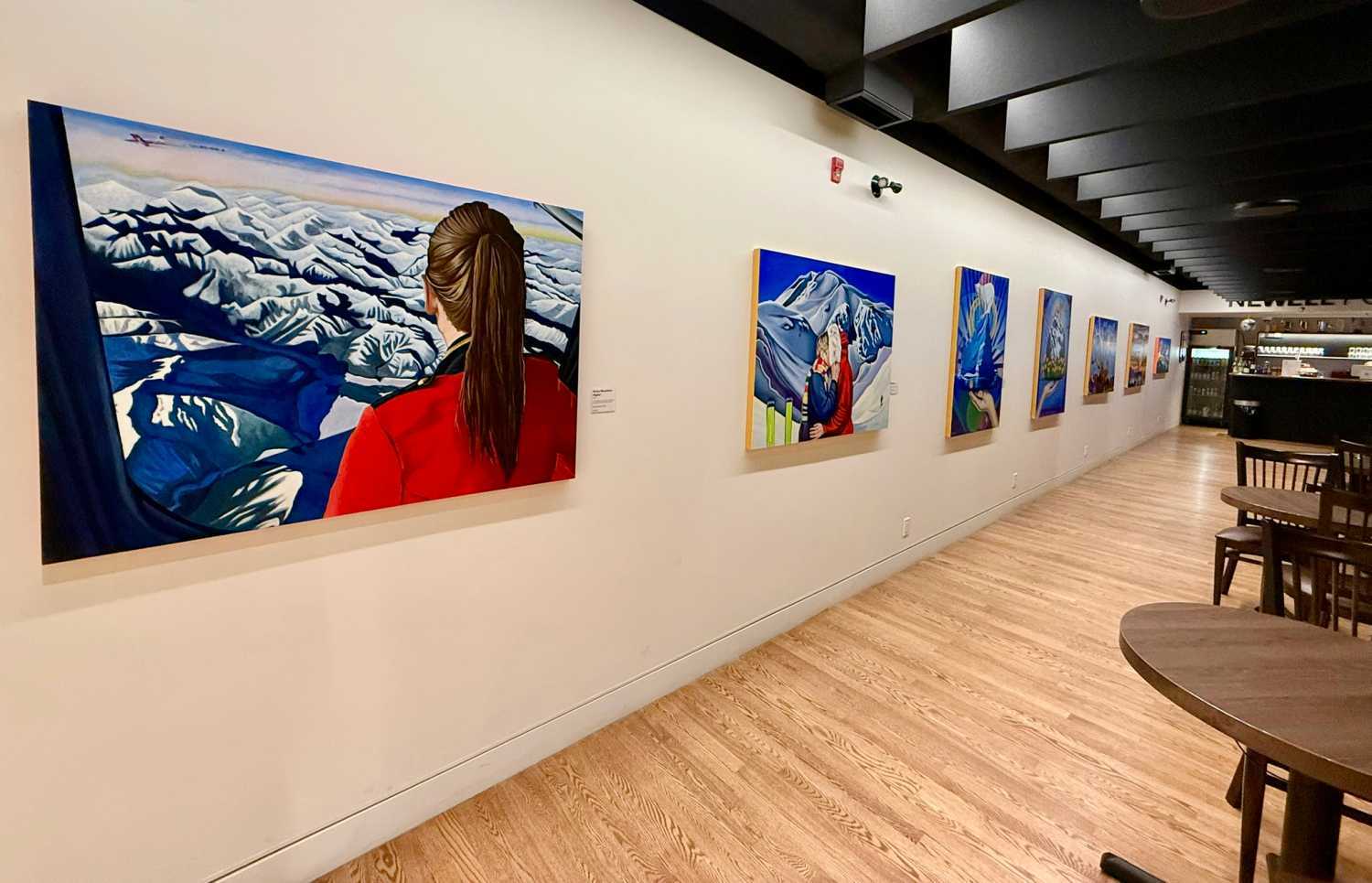
Brandy Saturley exhibition at Gallery@501 – Edmonton, AB, 2017

Perhaps most importantly, a successful and committed artist continues. They show up, they produce, they refine. The work you collect today is part of a trajectory, not an isolated moment. Over time, that trajectory adds context, depth, and often increased significance to the work.

To collect in this way is to invest not only in a single piece, but in a practice, a point of view, and a sustained creative life.
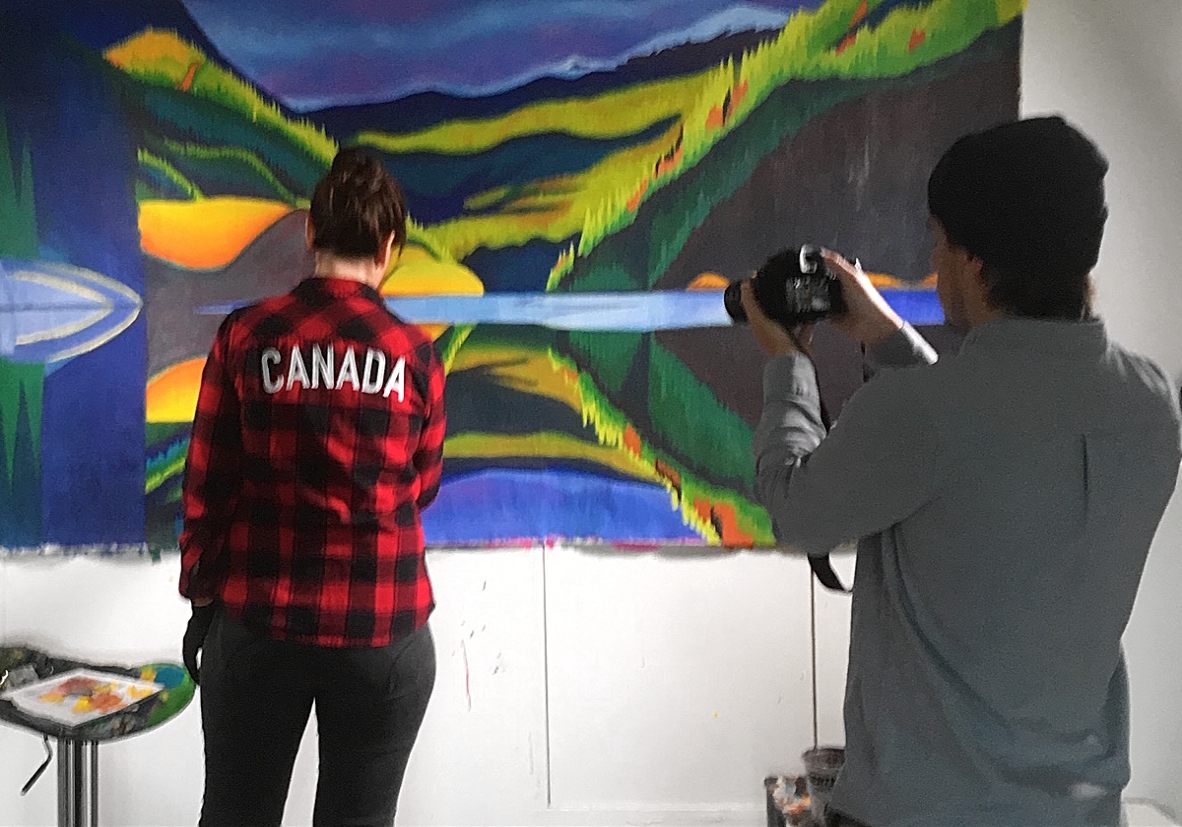
Behind The Scenes – The Iconic Canuck – by Randy Frykas

For a deeper look into my practice, process, and the ideas behind the work, I invite you to watch the documentary, The Iconic Canuck, 2020.
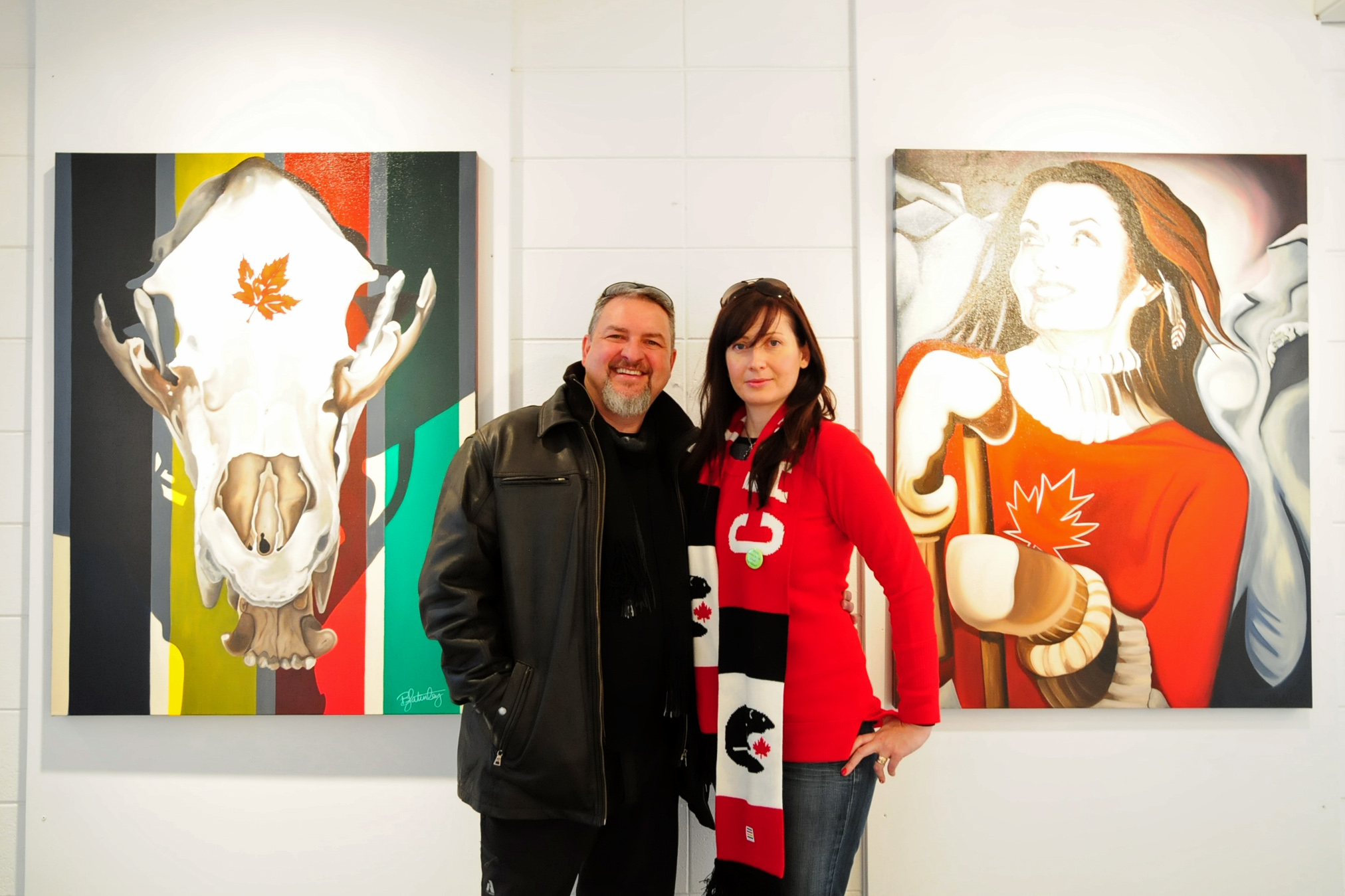
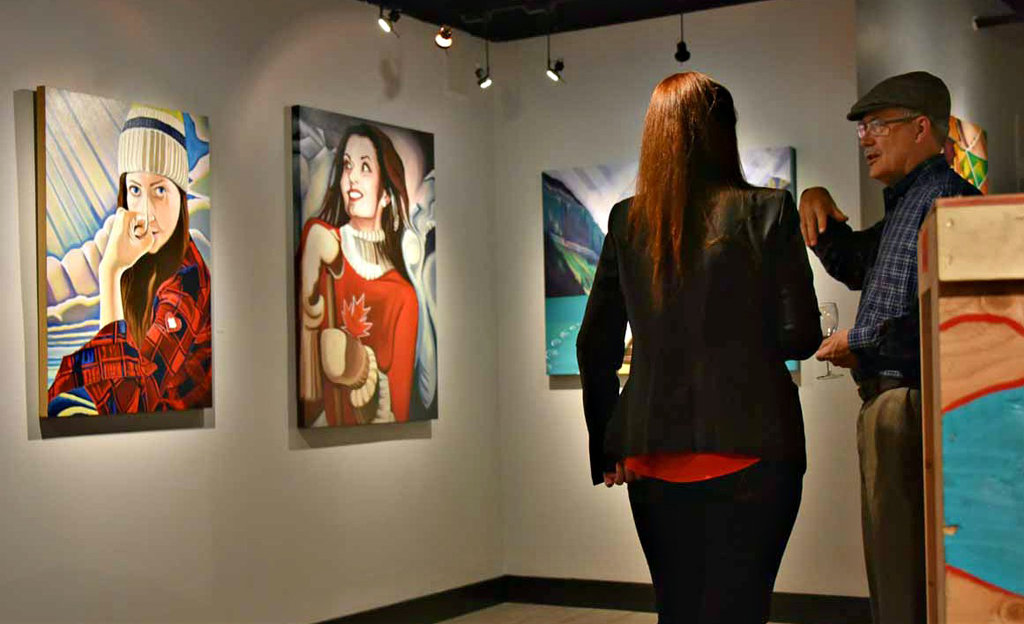
Five Questions Every Art Collector Should Ask (and Answer)

Collecting art is not simply an act of acquisition – it’s a slow, deliberate shaping of a personal world. Each piece becomes a marker in time, a reflection of instinct, curiosity, and evolving taste. Whether you’re just beginning your journey or refining a seasoned collection, the right questions can deepen your connection to the work you live with. Here are five essential Art Collector questions that open up not just conversation, but perspective.
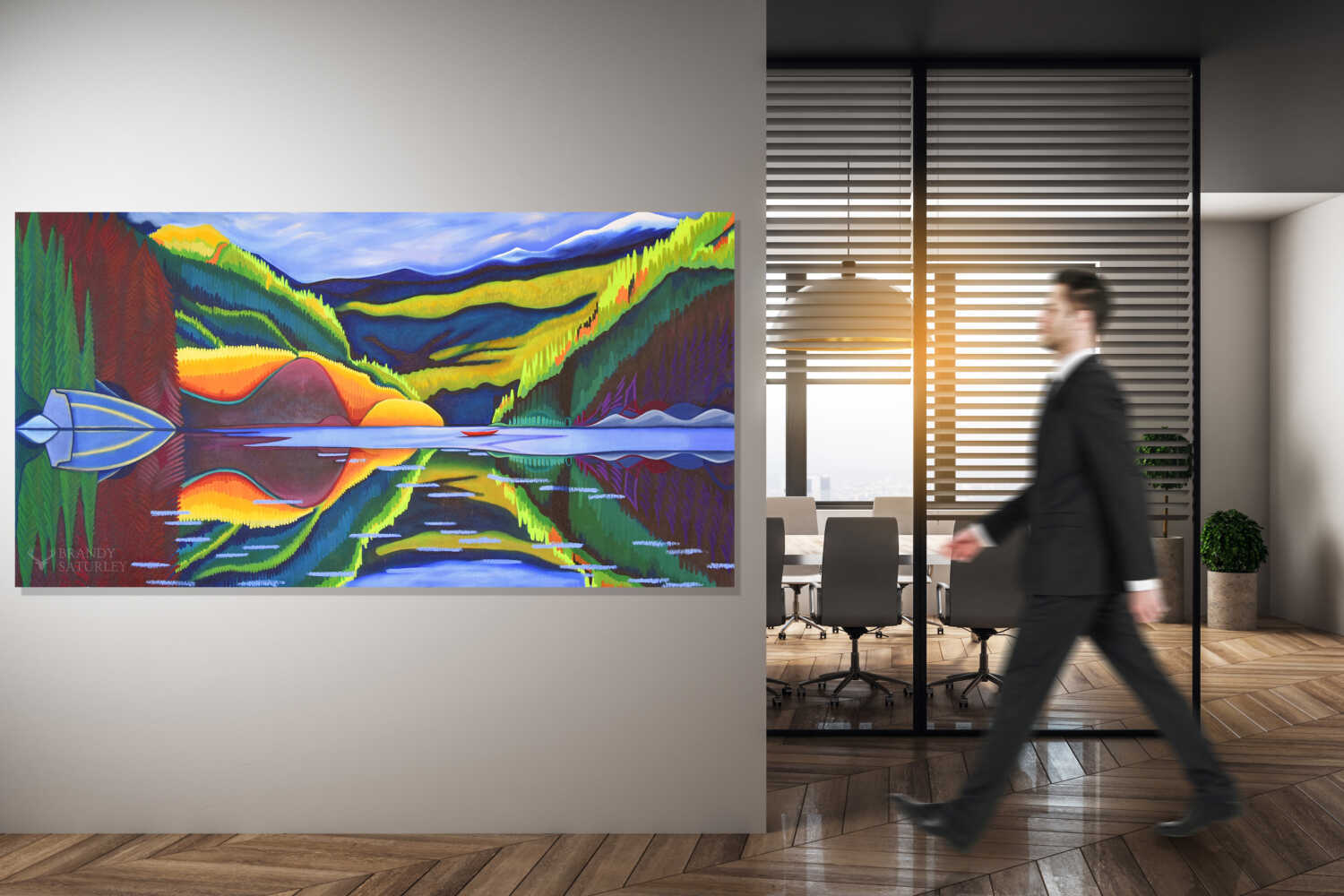
Five Art Collector Questions

Brandy Saturley with art collector in Alberta.

1. What was the first artwork you ever acquired, and do you still feel connected to it?
Every collection has a beginning, and that first piece often carries a kind of quiet mythology. It may not be the most valuable or refined work you own, but it holds something rarer – honesty. Looking back at it can reveal how your eye has evolved, and whether your emotional compass has shifted or stayed true.

Five Art Collector Questions

2. What draws you to a piece initially – instinct, narrative, aesthetic, or something else?
The moment of encounter is often immediate, almost electric. Some collectors respond to composition or colour, others to story or symbolism. Understanding your own pull toward a work can help clarify your collecting philosophy, even if that philosophy is rooted in intuition rather than logic.

Five Art Collector Questions

Five Art Collector Questions – Admiring to Collecting

3. How do you decide when a work belongs in your collection versus simply being admired?
Not every great work needs to be owned. There is a distinction between appreciation and possession, and knowing where that line exists for you is part of becoming a thoughtful collector. This question invites you to consider what makes a piece feel essential – something you want to live with, not just visit.

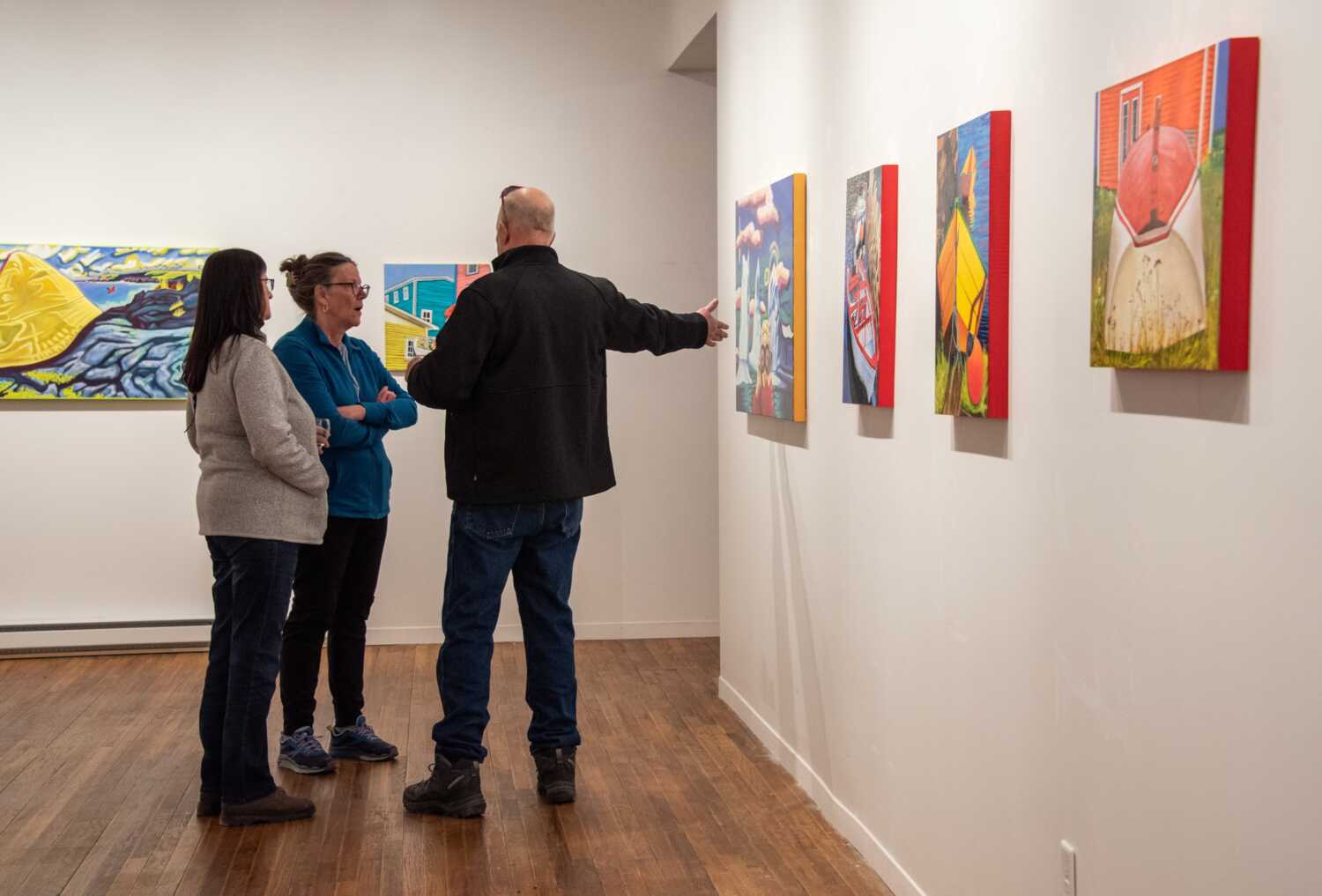
Art Opening in Newfoundland

4. Does your collection follow a theme, or does it evolve organically over time?
Some collections are tightly curated, built around specific ideas, geographies, or movements. Others grow more like living ecosystems – unexpected, layered, and intuitive. Neither approach is right or wrong, but recognizing your tendency can help you shape your collection with greater intention.

brandy saturley at dyson gallery london

Brandy Saturley at Royal College of Art Dyson Gallery

5. What role does art play in your daily life?
Art is more than an object on a wall. It can challenge, comfort, provoke, or simply exist as a quiet presence. Considering how your collection interacts with your daily routine shifts the focus from ownership to experience. After all, the true value of art reveals itself over time, in the moments when you least expect it.

A Final Thought

The most compelling collections are not built on trend or transaction, but on curiosity and connection. Asking these questions – again and again as your collection grows – turns collecting into something richer than acquisition. It becomes a dialogue between you and the works you choose to surround yourself with.

And in that dialogue, your collection becomes unmistakably your own.

How to Start a Canadian Art Collection That Actually Means Something

Canada is a country of vast landscapes, layered histories, and quiet, powerful stories. From northern tundra to coastal forests, prairie skies to urban skylines, the Canadian experience is rich with imagery and meaning. Collecting Canadian art is one of the most personal ways to connect with that story.

But where does one begin?

Collecting Canadian Art

Start With What Feels Familiar

The most meaningful collections begin with connection. Perhaps it’s a landscape that reminds you of a place you love, a figure that reflects a shared experience, or a symbol that speaks to Canadian culture. Art that resonates emotionally will always have deeper value than simply choosing what is trending.

Canadian artists often draw inspiration from the places and identities that shape this country. When you collect work that reflects those stories, you are collecting more than an image. You are collecting a piece of lived experience.

Learn the Stories Behind the Work

A meaningful art collection is built on stories.

Who is the artist?
Where was the work created?
What inspired it?

Understanding the narrative behind a painting adds depth to the experience of living with it. Many Canadian artists travel extensively across the country gathering ideas, sketching landscapes, and documenting culture. That process becomes embedded in the finished work.

When you know the story, the painting becomes a window into a larger Canadian narrative.

Collecting Canadian Art

Buy From Living Canadian Artists

One of the most rewarding ways to begin collecting is by supporting artists who are actively creating today.

Purchasing work from a living artist directly or through reputable galleries not only supports the continuation of their practice, it also creates a connection between collector and creator. You become part of the artist’s journey as their work grows and evolves.

Across Canada there are outstanding galleries representing contemporary artists, and many artists also share work through their own studios and websites, offering collectors direct access to new pieces.

Build Your Collection Slowly

A meaningful collection is not built overnight. It develops over time as your taste evolves and your understanding deepens.

Start with a single piece that you truly love. Live with it. Let it become part of your space and daily life. Over time, you may find yourself drawn to other works that complement it or expand the story you are building.

Collections often grow organically, reflecting the places you’ve traveled, the artists you’ve discovered, and the moments that mattered.

Collecting Canadian Art: Collect Work That Reflects Canada

Canada’s artistic landscape is as diverse as its geography. From contemporary interpretations of northern wildlife to paintings inspired by Canadian music, winter culture, and everyday life, artists continue to interpret what it means to live here.

By collecting Canadian art, you are helping preserve and share those visual stories.

A strong collection does more than decorate a wall. It becomes a reflection of identity, culture, and personal history.

The Joy of Living With Art

At its core, collecting art should bring joy. A painting can transform a room, spark conversation, or remind you daily of a place, feeling, or memory.

When you begin collecting with intention and curiosity, your collection becomes something far more meaningful than a group of objects. It becomes a visual diary of your relationship with art and with Canada itself.

For those interested in exploring contemporary Canadian painting, you can view available works through my studio and through the galleries that represent my work in Banff, Newfoundland, and the United Kingdom. New works are also regularly released through my website.

Collecting Canadian art is a journey. The most important step is simply to begin.

Collecting Canadian Art

Biggest Misconceptions About Self-Representing Visual Artists

For art collectors, part of collecting is navigating the experience of buying work from galleries and from artists directly. There are several common misconceptions about purchasing art straight from self-representing Artists, along with a few things collectors should understand before assuming how these transactions work. Below are five persistent myths about self-representing artists and why they simply aren’t true.

Misconceptions About Self-Representing Artists

Brandy Saturley exhibition Okotoks Art Gallery 2017

Myth #1: Buying art directly from an artist is cheaper

False.
If an artist is professional and established, purchasing directly from them will not automatically mean a lower price. This myth comes from the assumption that gallery commissions equal instant savings for collectors. While galleries typically take a commission, often around 50 percent, this does not mean an artist will reduce their price by that amount when selling direct.

Many self-representing artists also work with galleries and do not undercut their dealers by offering large discounts. Doing so would damage professional relationships and devalue their work. While negotiation can happen with both galleries and artists, it is usually tied to specific circumstances such as purchasing multiple works or a limited-time promotion. Going direct does not mean saving 50 percent on an artwork.

Brandy Saturley at Miller Art Gallery

Brandy Saturley at Miller Art Gallery 2025

Myth #2: Self-representing artists don’t have art dealers

False.
Today’s self-representing artists often work alongside art dealers rather than instead of them. With modern tools for self-promotion, artists and dealers can act as allies, creating broader reach and stronger visibility.

I built my career through self-promotion, but in recent years I have strategically partnered with dealers in key locations to expand my audience. Whether a piece is being sold through a gallery or directly by me, I actively promote the work wherever it lives. The result is amplified exposure rather than competition.

Misconceptions About Self-Representing Artists

Myth #3: Artists can only sell work in their local market

False.
Websites, social media, and international shipping have made it easier than ever for artists to reach collectors around the world. In fact, many artists build careers in markets where their work resonates most, which may not be their local region.

I developed my career by showing and selling in places where my subject matter was best received, not necessarily where I lived. While some landscape painters may rely more heavily on regional markets, staying local can significantly limit opportunities for many contemporary artists.

Myth #4: Artists must choose between public galleries or commercial galleries

False.
While it’s important for artists to understand their niche and choose venues that align with their work, it is entirely possible to show in multiple contexts. With enough drive, planning, and resources, artists can move fluidly between public and commercial spaces.

My own path began with juried exhibitions, followed by group gallery shows, installations in retail environments, public galleries and museums, and eventually commercial gallery representation. Public galleries prioritize education, engagement, and cultural dialogue, often paying artists exhibition fees. Commercial galleries focus on sales and the art market. The work shown in each context may differ, but most professional artists are already making more than one type of work.

Misconceptions About Self-Representing Artists

Brandy Saturley at Gallery@501 2017

Myth #5: Licensing your work is “selling out”

False.
For full-time artists without a secondary income, creating multiple revenue streams is essential. Licensing artwork is one of the most effective and sustainable ways to monetize creative output without sacrificing originality.

When I create a painting, I archive a high-resolution image. The original may sell once, but the image can be licensed repeatedly to businesses and brands for uses such as magazine covers, packaging, or advertising. From fine spirits to editorial features, licensing creates recurring and passive income that supports a long-term studio practice.

Misconceptions About Self-Representing Artists

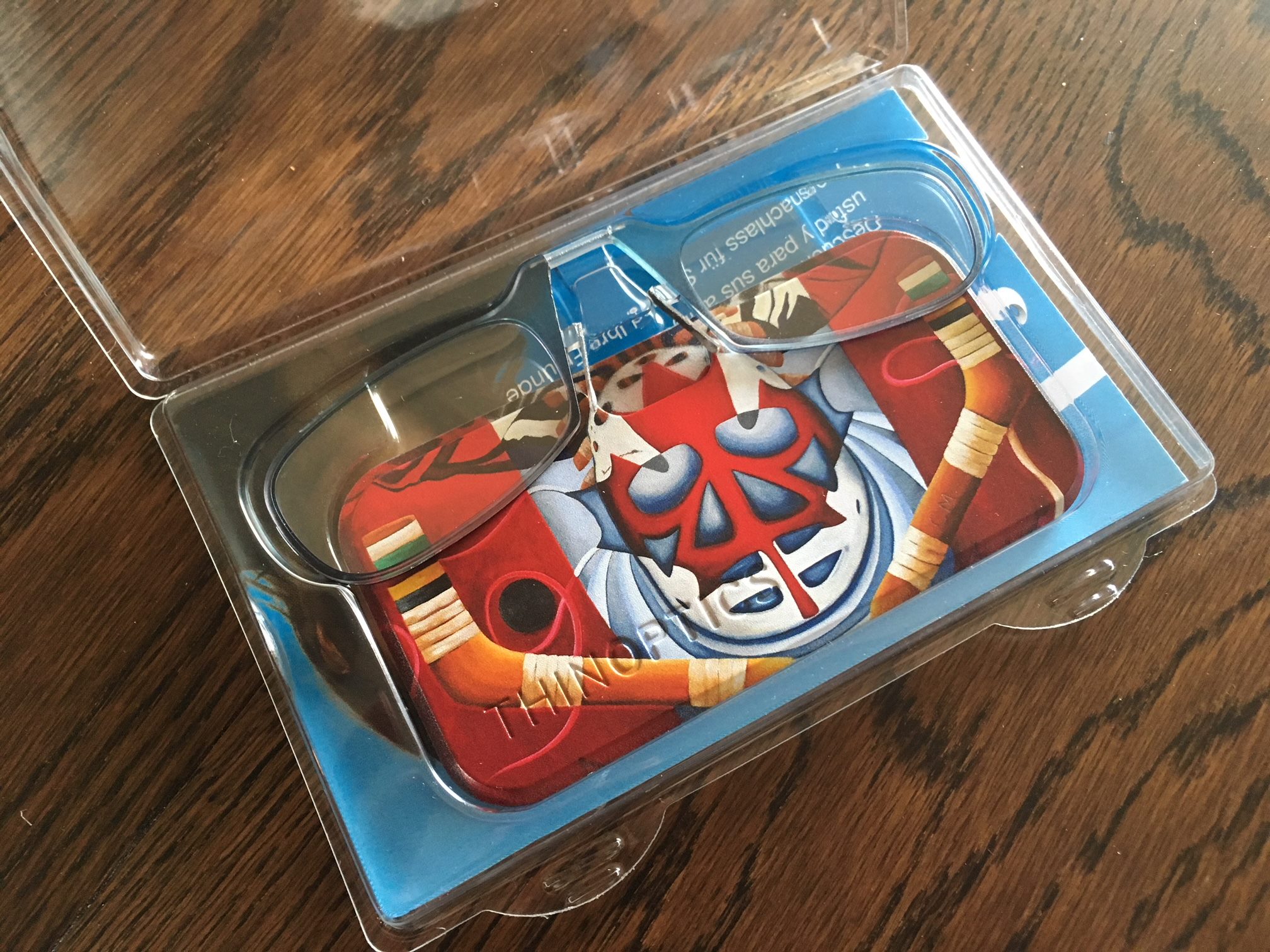
The Art of Brandy Saturley on ThinOptics

Brandy Saturley has been a full-time self-representing professional artist for nearly two decades, learn more about her and her work on her website .

Why Canadian Art Matters More Than Ever in a Global Conversation

In a recent speech at the World Economic Forum in Davos, Mark Carney spoke about Canada’s role in an increasingly uncertain global landscape. He emphasized stability, trust, values, and the importance of national identity in a world that feels louder, faster, and more fractured by the day. While his remarks were aimed at economics and global policy, the message resonates far beyond markets and balance sheets. It lands squarely in culture, and more specifically, in art.

why Canadian art matters

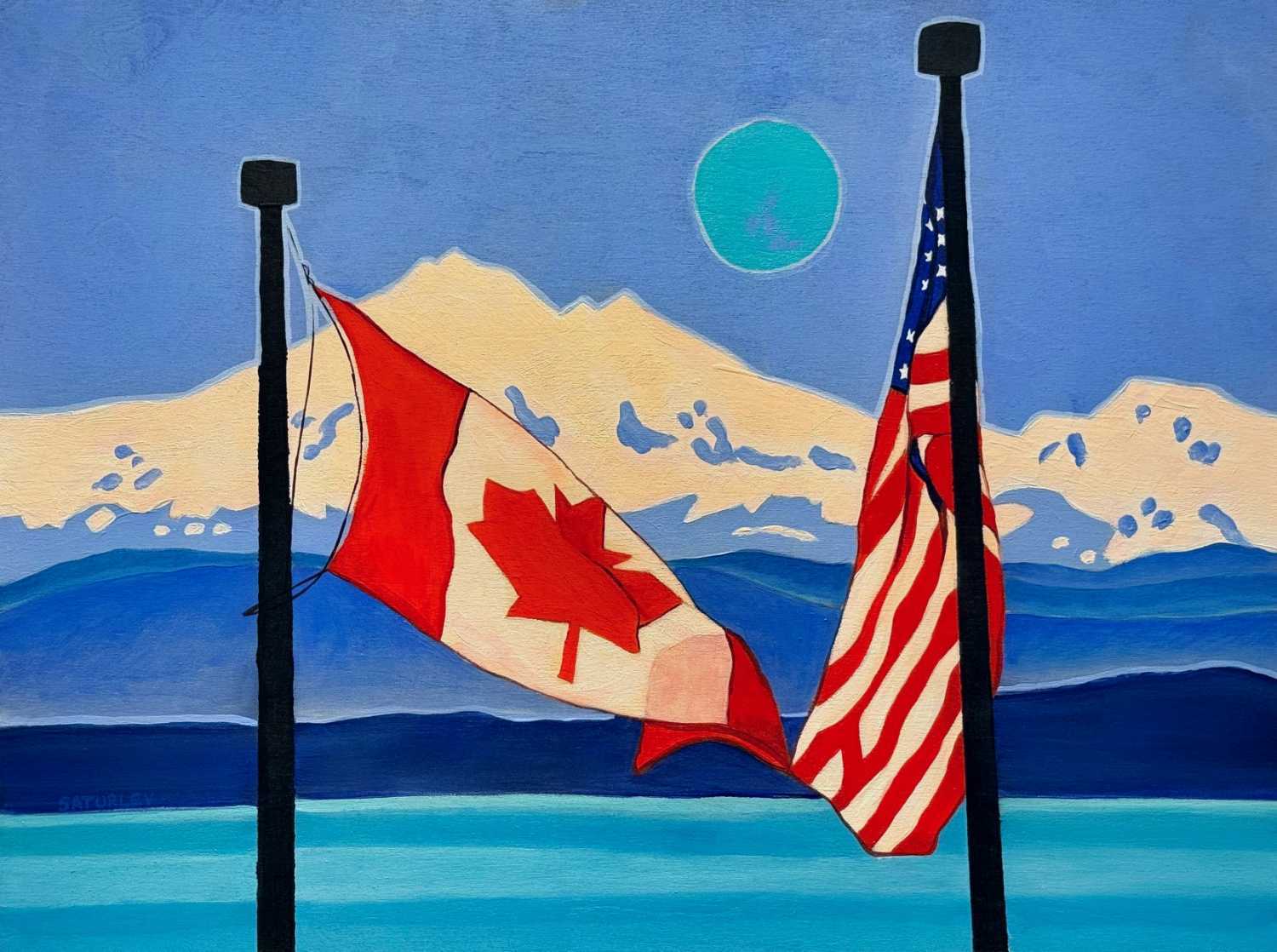
Lovers in a Dangerous Time, Acrylic on wood panel, 18 x 24 x 1.5 in – Brandy Saturley

Because when the world feels unsteady, people look for meaning. And meaning lives in stories, symbols, and shared identity.

Canadian art has always carried a quiet confidence. It does not shout. It does not posture. Instead, it observes, reflects, and invites. Our artists draw from vast geography, layered histories, regional voices, and a uniquely Canadian blend of humility, resilience, and wit. This is not art built on spectacle alone, but on substance.

Why Canadian Art Matters

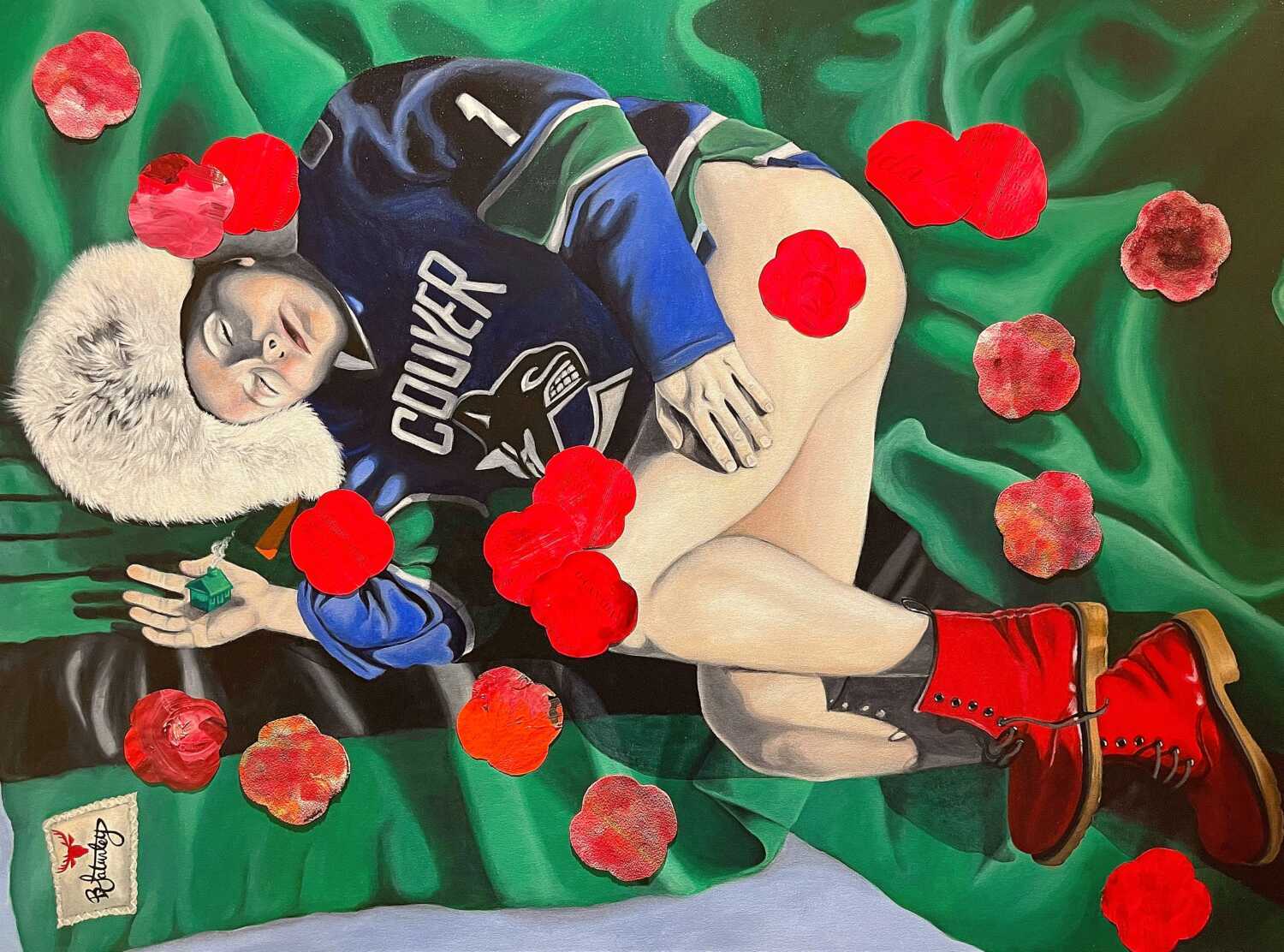
Dreaming in the Colours of Eh, Acrylic and collage on canvas, 36 x 48 x 1.5 in – Brandy Saturley

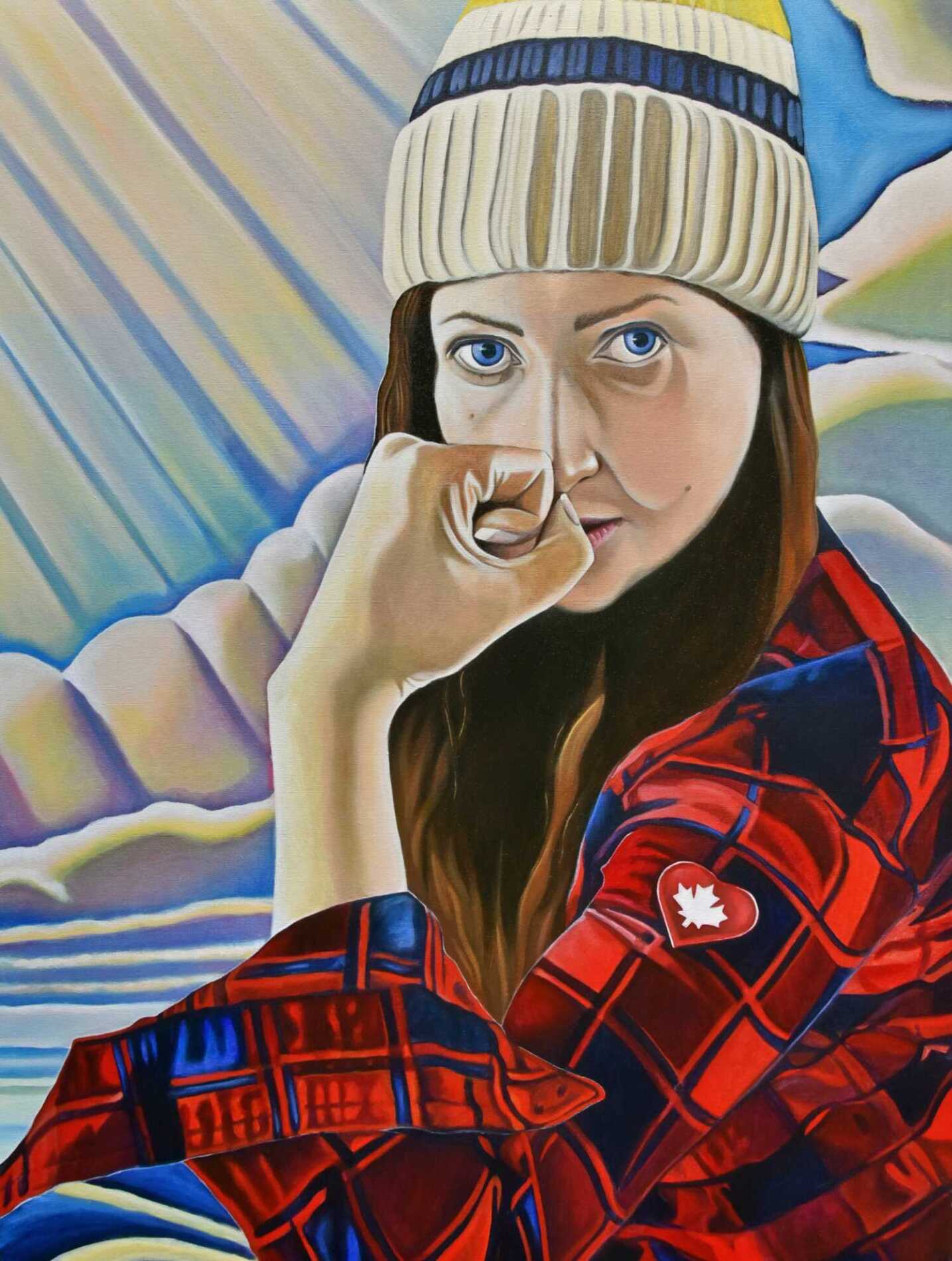
In a global context increasingly dominated by homogenized aesthetics and algorithm-driven trends, Canadian art offers something rare: authenticity. Our so-called quirks, plaid shirts, toques, hockey on outdoor ponds, northern light, small-town moments, and dry humor, are not cultural footnotes. They are signals of who we are. They speak to lived experience, not manufactured narrative.

Why Canadian Art Matters

Come On Just Let’s Go, Acrylic on Canvas, 48 x 30 in _ Brandy Saturley

Why Canadian Art Matters

Canadian quirkiness matters because it resists flattening. It refuses to become generic. It acknowledges contradiction: urban and rural, global and local, historical and contemporary. It understands that identity is not a brand campaign but an accumulation of stories, places, and people.

You’re Too Sweet For Me, Acrylic On Canvas, 48 x 36 x 1.5 in – Brandy Saturley

As Carney suggested in his Davos speech, Canada’s strength lies in its values and its steadiness. Art plays a crucial role in expressing and preserving those values. Original Canadian art becomes a cultural anchor. It reflects our relationship to land, community, memory, and change. It documents who we are now for those who will come later.

Brandy Saturley at Pouch Cove Foundation Artist Residency, Newfoundland, Canada

In times of global uncertainty, supporting Canadian art is not just a cultural choice, it is a statement. It says that local voices matter in a global conversation. That nuance matters. That beauty can be found in everyday moments. That national identity is something to be explored, questioned, and celebrated, not diluted.

First Paintings of 2025

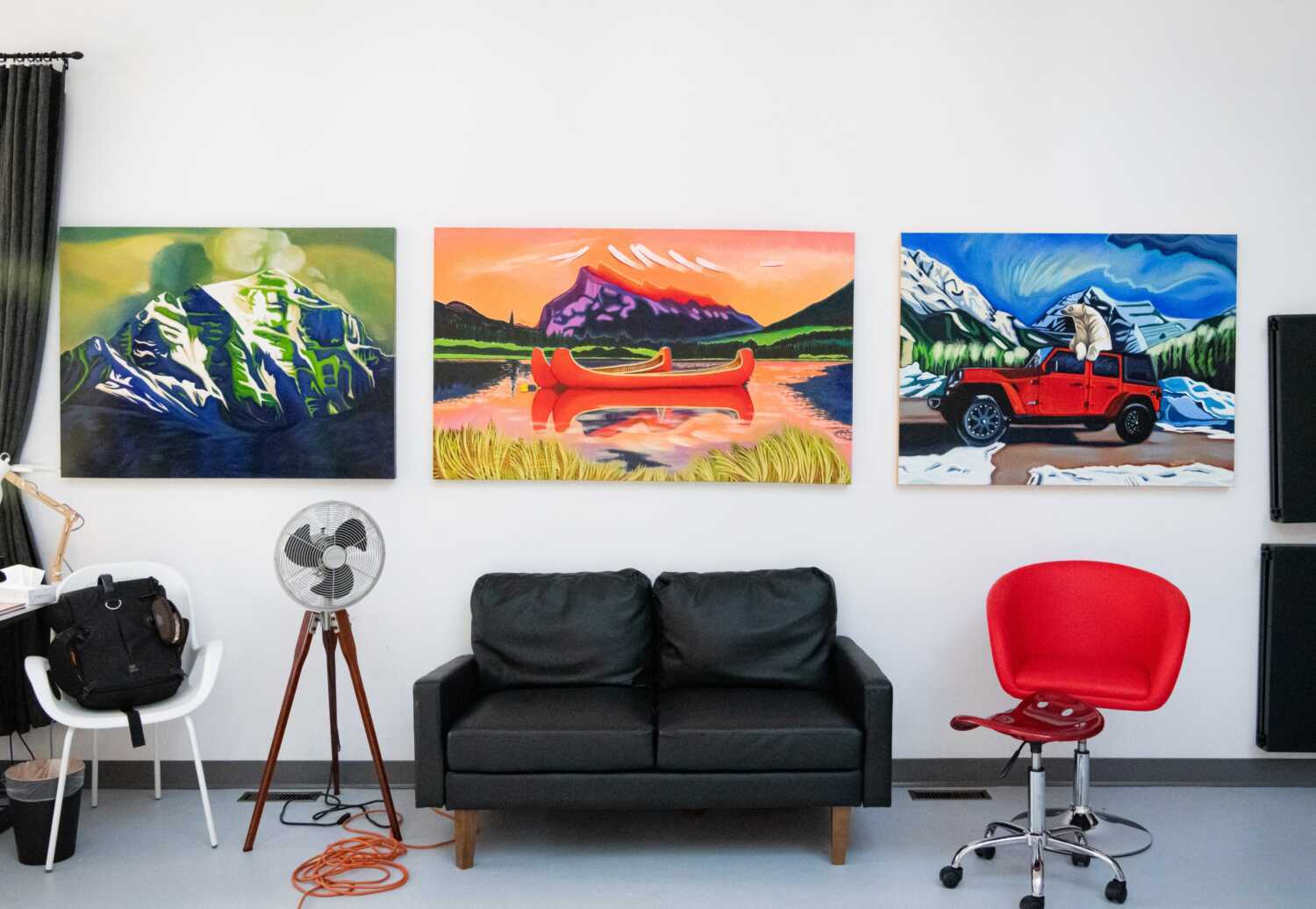
Brandy Saturley in her Victoria BC studio with Canadian landscape paintings.

Canadian artists are storytellers of place. Our work travels internationally, not because it tries to imitate the world, but because it offers the world something distinct. Something human. Something quietly confident.

Why Canadian Art Matters

Saint Kanata, Acrylic on canvas, 48 x 36 x 1.5 in – Brandy Saturley

Now more than ever, Canadian art belongs on walls, in public spaces, in collections, and in conversations. It reminds us where we stand, what we value, and how we see ourselves in relation to the rest of the world.

And that is no small thing. See more uniquely Canadian Art here.

What is Canada?

Brandy Saturley with her art shipping crates in her Victoria BC studio.

The Rise of Regional Artists: Collecting Canadian Art Outside the Big Three Cities Matters

When we talk about Canadian art, the conversation too often circles back to the same three cities; Toronto, Montreal, and Vancouver. These cultural hubs have long held the spotlight, with their galleries, art fairs, and institutional backing. But across this vast and varied country, a quieter shift is underway. Collectors and curators are beginning to look beyond the urban centres, seeking out fresh voices and authentic stories rooted in place. Regional Artists are on the rise.

Rise of Regional Artists

As a Canadian artist whose practice has taken me from coast to coast to coast, I’ve spent years painting the spirit of this country, not from a single vantage point, but from deep within its regions. Whether in the Arctic stillness of Yellowknife, the salt air of Newfoundland, or the wide-open skies of the Prairies, I’ve immersed myself in local culture, letting the land and its people guide my brush. The result is a body of work that is undeniably Canadian, yet unbound by stereotype or geography.

Rise of Regional Artists

My paintings are part pop modernism, part documentary and often feature the iconography of everyday Canadian life: plaid shirts, canoes, wildlife, poppies, denim jackets, and patriotic hues. But beneath the surface, they carry the stories of real places, from remote fishing villages to mountain passes to small-town arenas. This is the Canada I’ve come to know, not just through travel, but through conversation, observation, and creation.

No Dress Rehearsal

What I’ve noticed lately is that collectors and curators are hungry for this kind of work. They’re no longer looking just for names stamped by the urban art machine. They want connection, story, and authenticity. They want art that reflects Canada in its full diversity and not just culturally, but geographically.

recent paintings

Art Apprecaition: Rise of Regional Artists

We’re witnessing a rise in appreciation for regional perspectives. Curators are expanding collections to include artists from smaller towns, Indigenous communities, and northern regions. Collectors are realizing that acquiring work by artists living and working in these areas offers something rare: a direct link to places and experiences that are often underrepresented in mainstream narratives.

Indigenous Landscape painting

For those looking to build meaningful, future-facing collections of Canadian art, now is the time to look outward – to the maritimes, to the Yukon, to the heart of the prairies, and to the west coast islands. The art being made in these places is powerful, thoughtful, and deeply rooted in lived experience.

Top Vancouver Island Artist

My own studio practice, based on Vancouver Island, continues to grow from the momentum of residencies and exhibitions in places like Newfoundland, Alberta, and soon, the Maritimes. Every piece I create is informed by these journeys, and by the desire to paint not just the physical landscape of Canada, but the emotional and cultural one, too.

Rise of Regional Artists

To collect Canadian art today is to participate in shaping its future. By embracing regional voices, you’re not just acquiring work; you’re investing in a fuller, richer picture of what it means to be Canadian.

See more paintings by Brandy Saturley here.

Rise of Regional Artists

Story-Driven Collecting: Art with a Narrative Edge is In

In a world oversaturated with fleeting images and AI-generated content, collectors are returning to what truly moves them: story. More than ever, today’s art collectors are seeking work that doesn’t just look beautiful on a wall, but that tells a story, sparks conversation, and holds deeper meaning. We’re in the era of story-driven collecting, and it’s reshaping what people choose to live with, invest in, and pass down. Art with a Narrative.

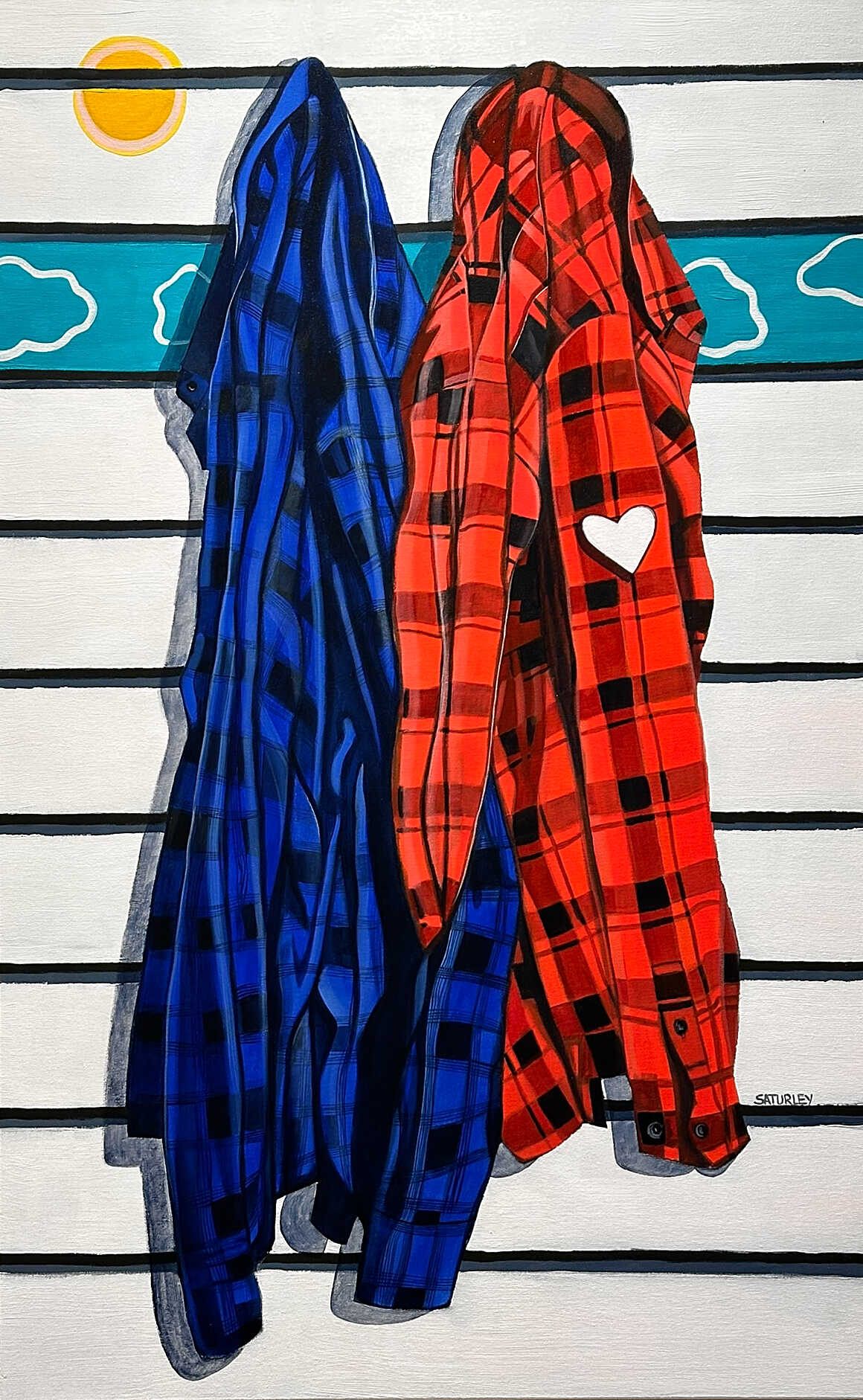
As a painter deeply influenced by the Canadian experience, storytelling has always been at the core of my work. Whether it’s a denim jacket with a Remembrance Day poppy, a plaid shirt hanging in quiet symbolism, or a polar bear wandering through the shifting north, my paintings aim to capture moments that speak to who we are as Canadians and who we are becoming.

Art with a Narrative

Why Narrative Matters to Today’s Collector

In a digital age where everything is quick and curated, collectors are gravitating toward works that anchor them to a sense of place, memory, and emotion. Art with a narrative edge offers:

  • Connection: A painting with a story allows collectors to form a deeper bond with the work and the artist.

  • Conversation: Story-based art becomes a talking point in the home or office, sparking dialogue about place, identity, or history.

  • Legacy: A collector isn’t just buying a work they’re preserving a moment in time. Narrative artwork carries cultural and emotional value that lasts generations.

Art with a Narrative

Narrative in Art: Pop Modernism Meets the Canadian Story

My own artistic language – what I call pop modernism – blends the boldness of pop art with the layered complexity of personal and national stories. I use symbolism, composition, and familiar iconography to tell Canadian stories in a way that feels both contemporary and timeless.

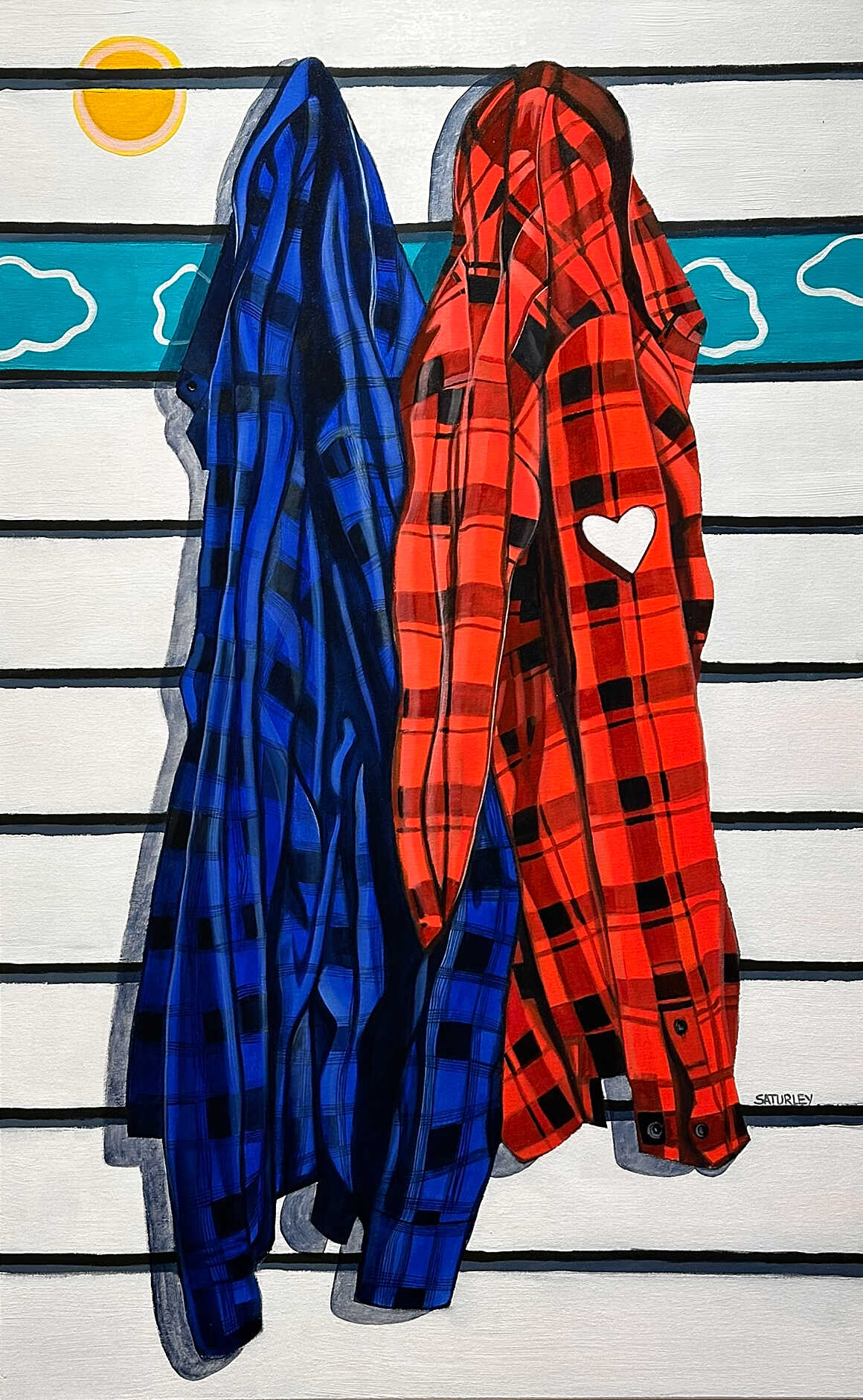
Collectors often tell me they’re drawn to the story within the image, two plaid shirts hanging in a pop art sky, or a polar bear wearing perched atop an iceberg. These are works that ask questions and invite interpretation. They become part of the collector’s story too.

Plaid shirt paintings

Art with a Narrative: Art as a Mirror—and a Chronicle

Art with a narrative edge acts as a mirror of our individual experience and a chronicle of collective identity. For Canadian collectors especially, the desire to own and support art that reflects the land, people, and stories of Canada is stronger than ever. It’s not about decoration; it’s about meaning.

As story-driven collecting continues to rise, I’m honoured to be part of this movement – a visual storyteller reflecting the quirks, the heart, and the vast beauty of Canada, one canvas at a time.

No Dress Rehearsal

Ready to Collect a Story?

If you’re looking to add meaningful, story-rich Canadian artwork to your collection, I invite you to explore my latest paintings. Each piece is a window into a place, a feeling, and a shared national experience.

👉 Browse Available Artworks

Bring home a piece of the Canadian story told in paint, heart, and soul.

Discovering Indigenous Canada

Install Like a Pro: Step-by-Step Guide to Hanging Artwork

1. Choose the Right Spot

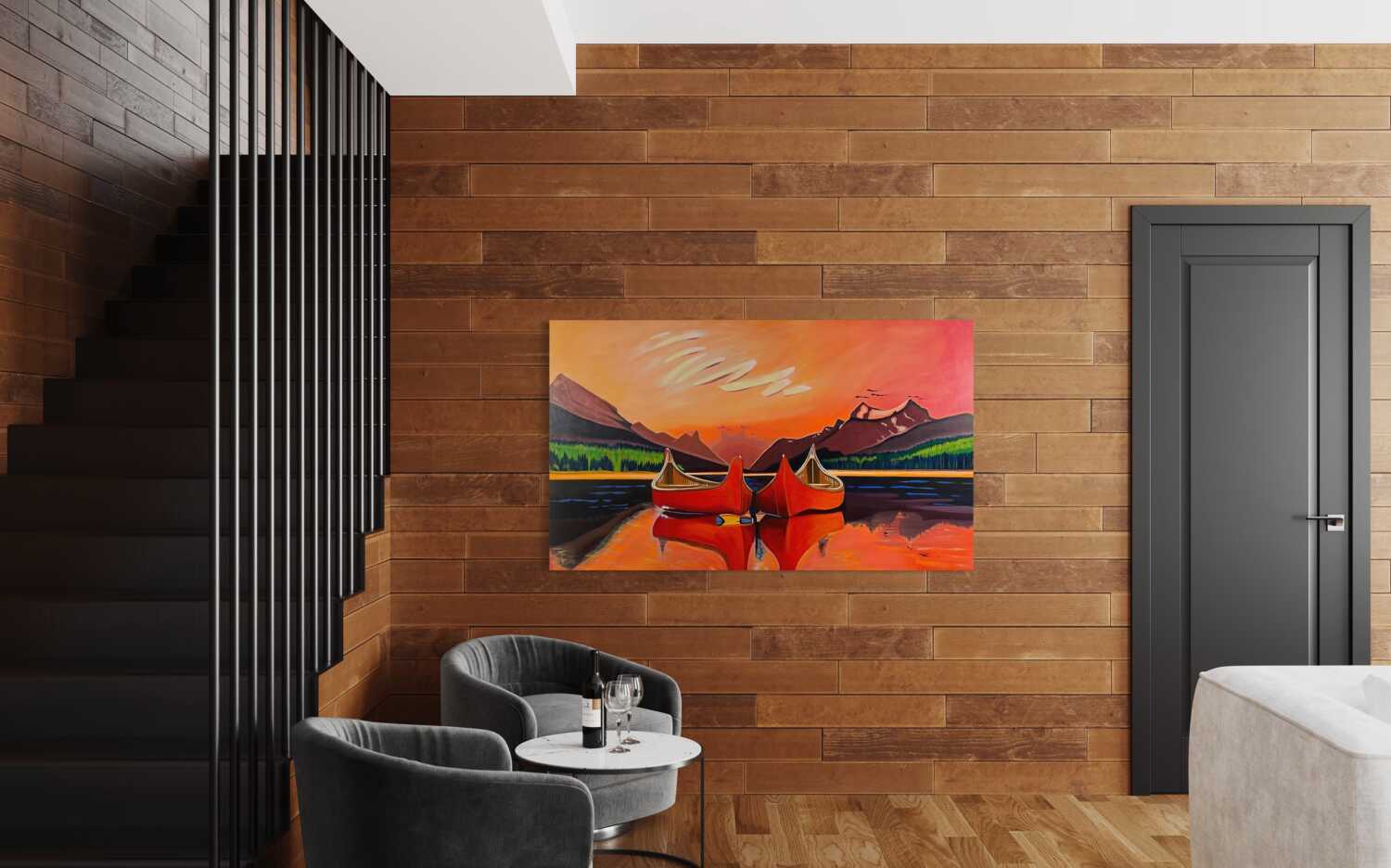
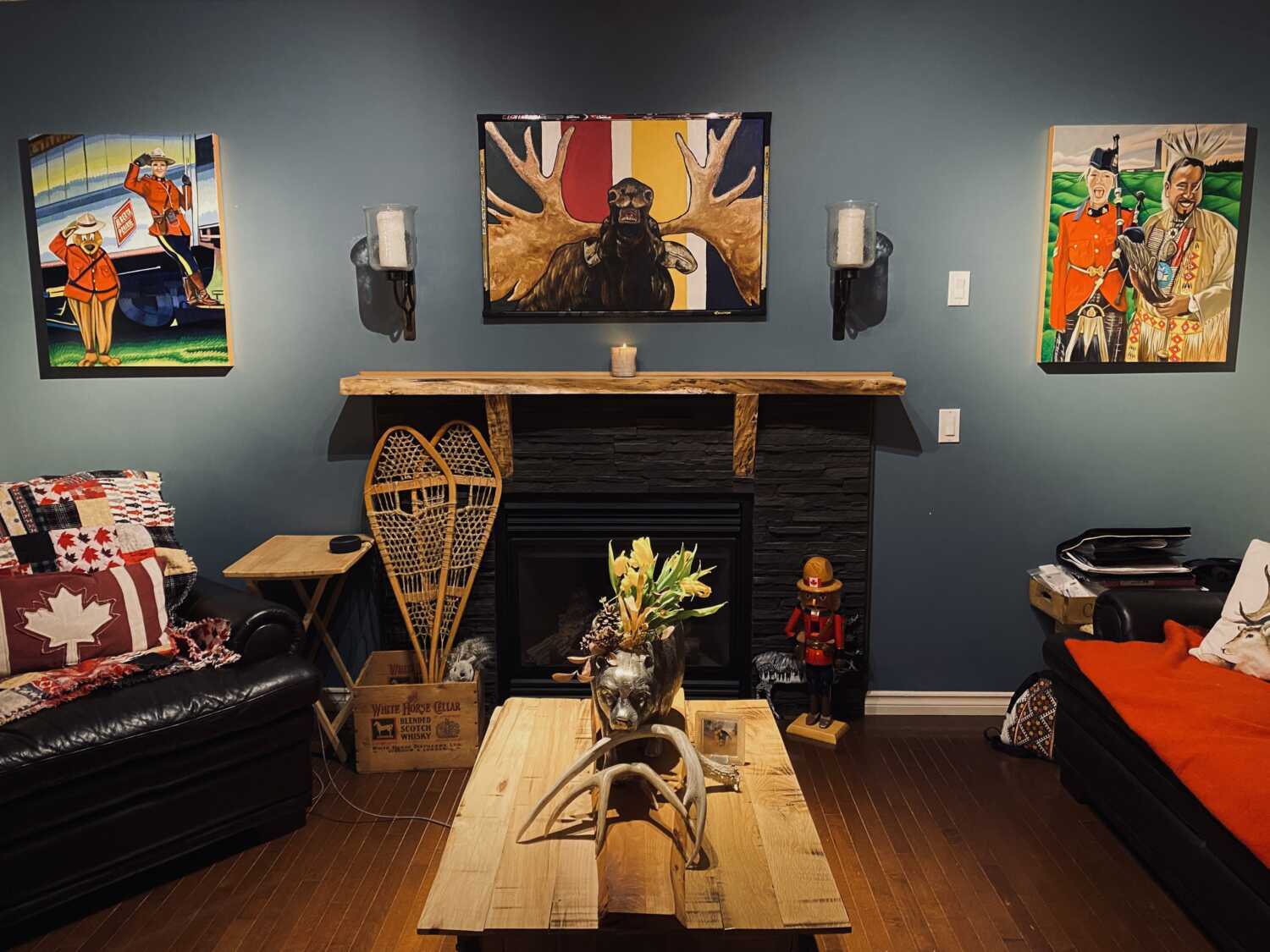
Think about the mood you want to create. A calm abstract piece might suit a bedroom, while a bold, colorful work energizes a living room or creative workspace. For offices, consider placing art where it’s visible from your desk to encourage focus and creativity. This is your guide to hanging artwork.

Pro tip: Avoid direct sunlight, which can fade artwork over time, especially original paintings or prints.

Guide to Hanging Artwork

2. Consider Eye Level Height

The golden rule: hang artwork at eye level, which is typically 57 to 60 inches from the floor to the center of the artwork. In rooms where people are usually seated (like dining rooms or offices), slightly lower placement is ideal.

Tax Benefits Canadian Art

3. Measure and Mark

Measure the height of your artwork and divide by two. Add the distance from the top of the frame to the hanging hardware (e.g., wire when taut). Subtract this from 57-60 inches to find where your hook should go on the wall. Use a pencil to lightly mark the spot.

Guide to Hanging Artwork

4. Use the Right Hanging Tools

Choose picture hooks, wall anchors, or adhesive strips based on the weight of your artwork and the type of wall (drywall, brick, plaster). A small canvas might only need a single hook, while heavier framed pieces may require two hooks or wall anchors.

5. Level and Secure

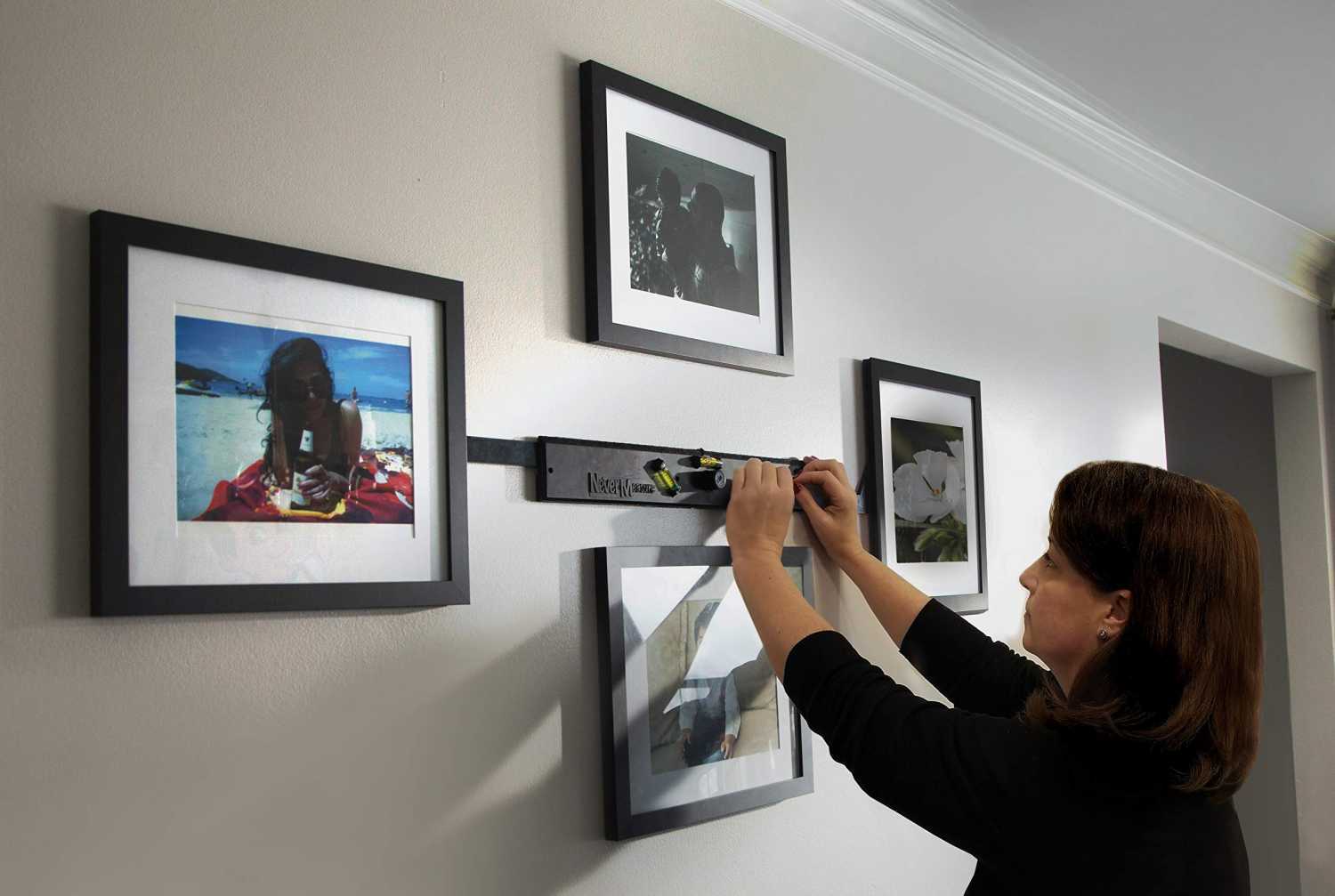
Always use a level to ensure your art hangs straight. This simple step makes a big difference in the overall polish of your space.

Tips for Hanging Multiple Pieces or Gallery Walls

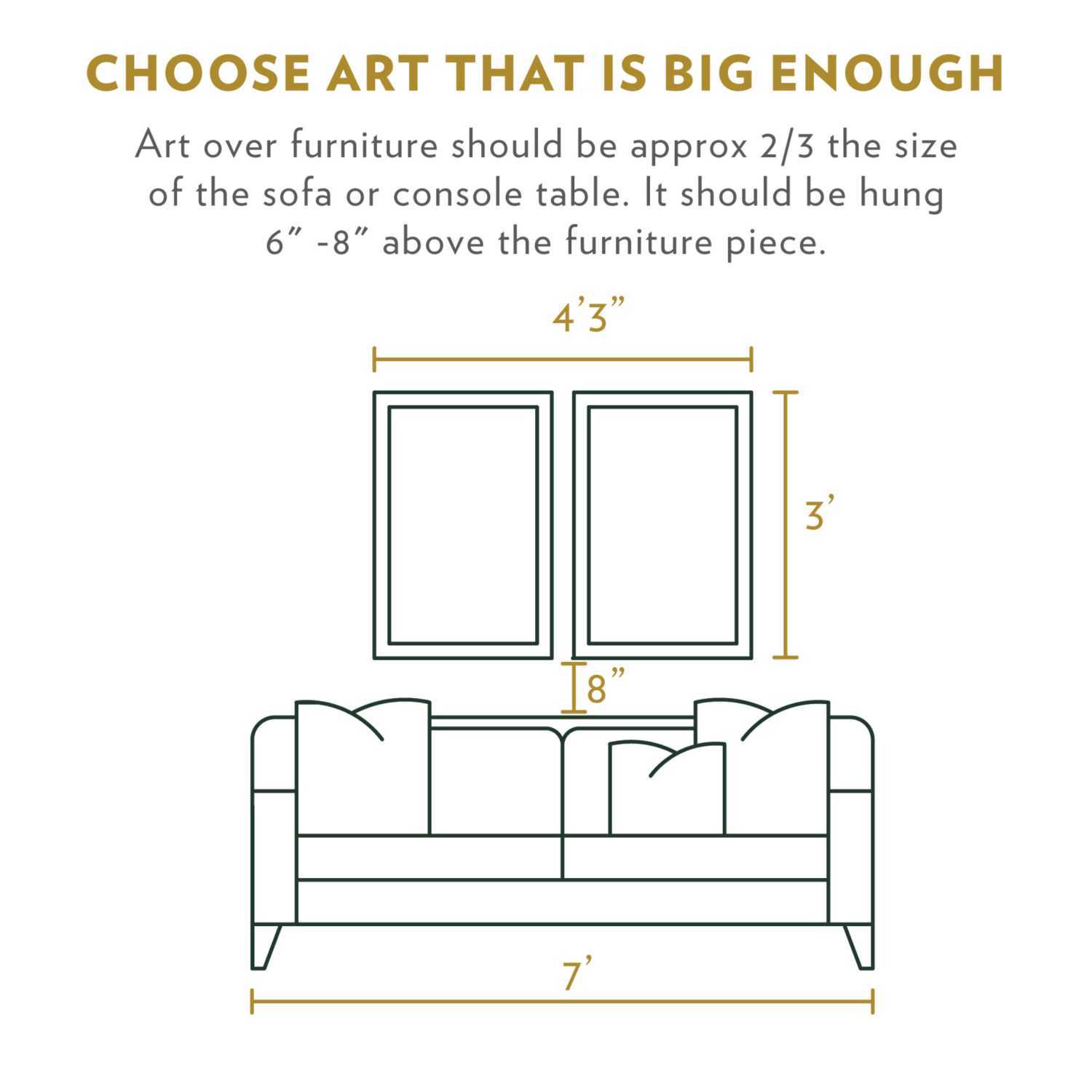
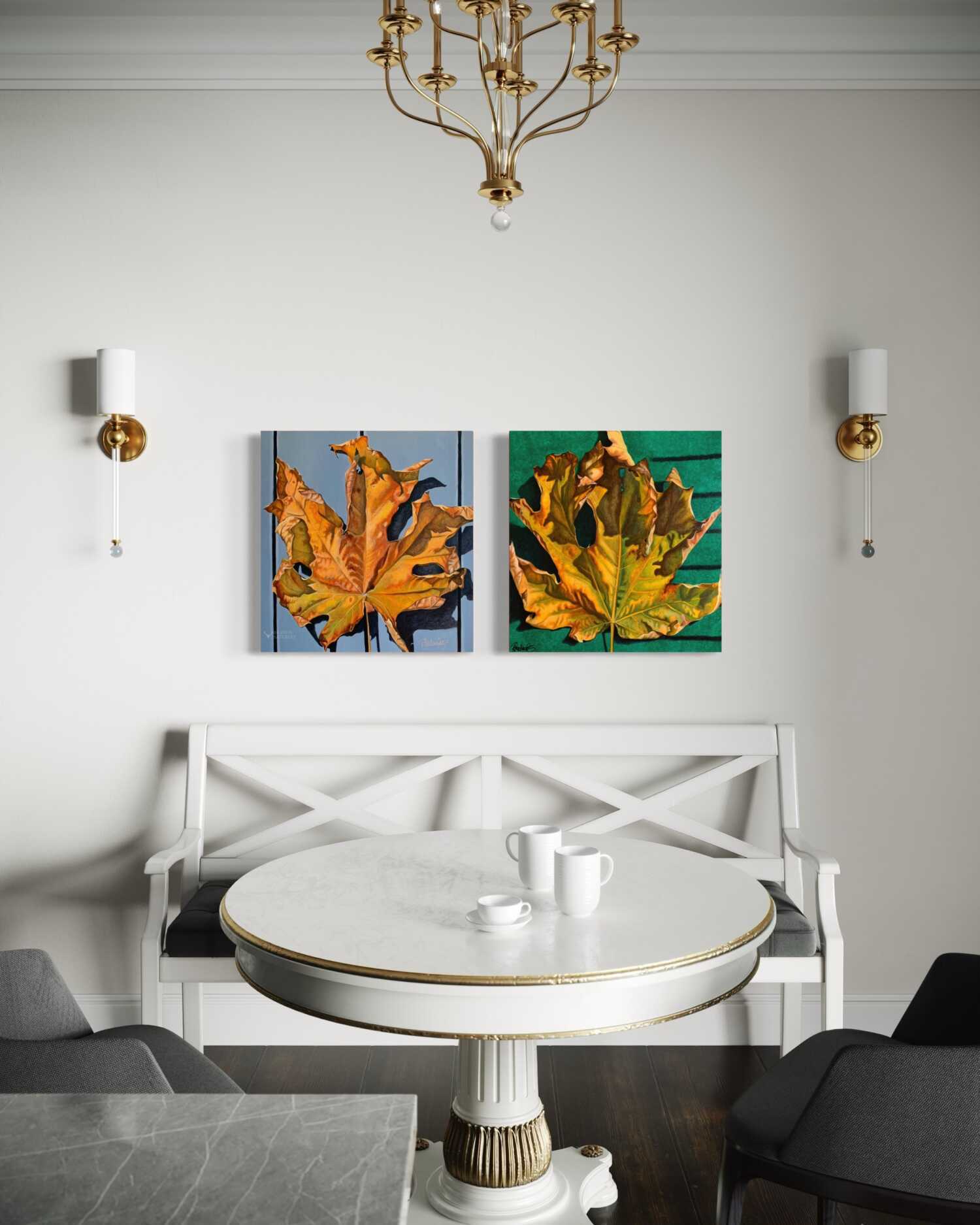
  • Spacing: Leave about 2-3 inches between frames for a clean look. Avoid crowding.

  • Alignment: Keep centers or top edges aligned for a cohesive layout.

  • Mock it up first: Lay pieces on the floor or use painter’s tape on the wall to plan your layout.

  • Theme or palette: Group artworks by color, frame style, or subject matter for a unified display.

Guide to Hanging Artwork

Guide to Hanging Artwork: Boosting Office Morale and Creativity

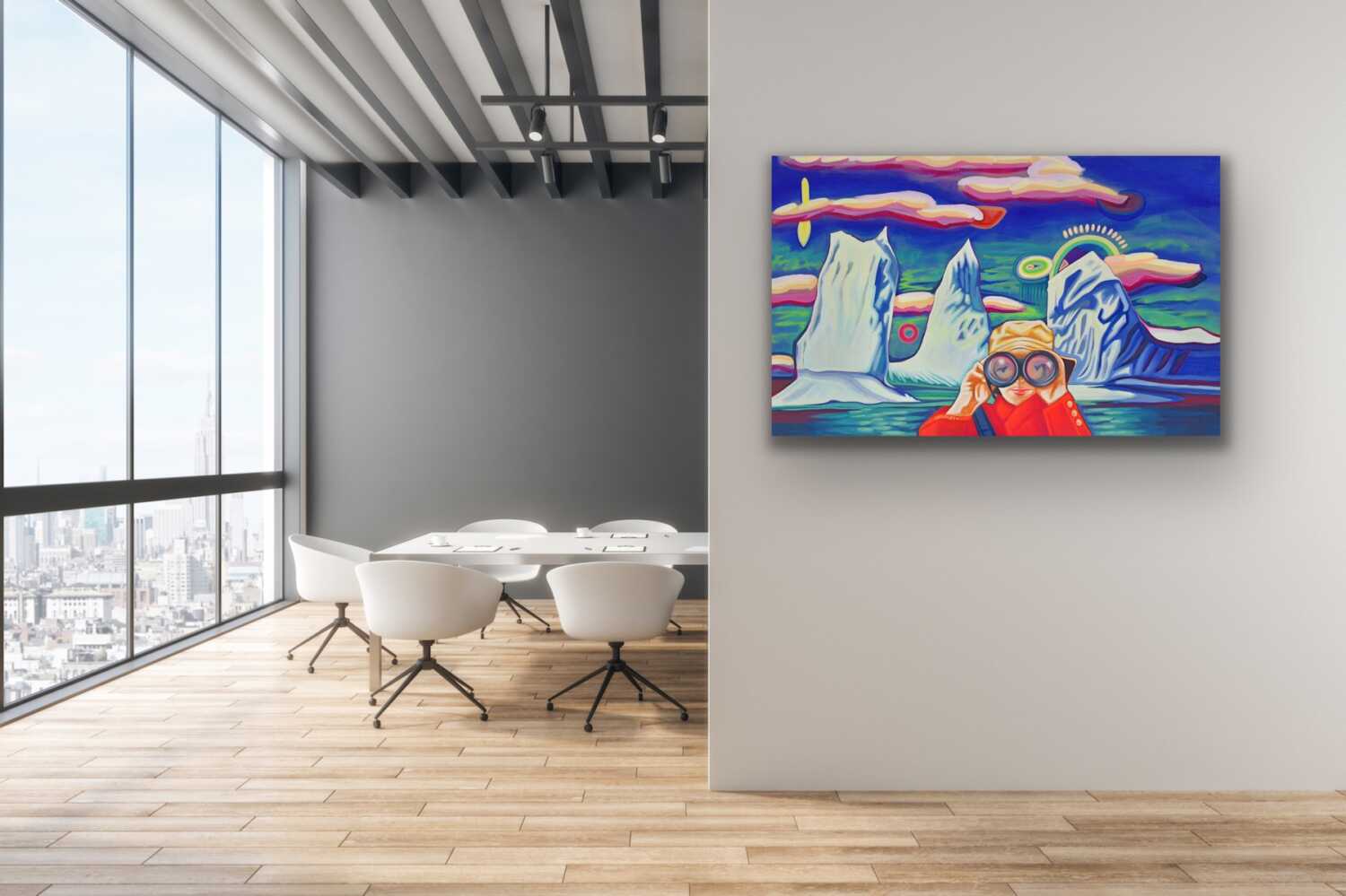
In office spaces, artwork is more than decoration, it’s a statement. Choose art that resonates with your brand values or sparks conversation. Landscapes, abstracts, or motivational art can all work well in professional environments. Make sure art is visible in meeting rooms, lobbies, or behind desks to leave a lasting impression.

Final Touches: Lighting and Framing

Lighting can dramatically enhance how artwork looks. Use natural light when possible, or install adjustable picture lights or ceiling-mounted track lighting to spotlight key pieces. Frames should complement both the art and your decor style – modern, minimal, rustic, or ornate.

Guide to Hanging Artwork

Make It Personal

Whether it’s a large-scale painting, a series of prints, or a single powerful image, art should speak to you. Don’t be afraid to break the “rules” if something feels right. Your home or office is an extension of you, let your artwork tell your story.

Shop Original Canadian Art for Your Home or Office

Looking to start or grow your collection? Explore a curated selection of original Canadian artwork at BrandySaturley.com. Whether you’re decorating a cozy home or a modern workspace, you’ll find unique pieces that elevate your environment and inspire daily. Looking to have the art in your space today and pay over a time that suits you, consider financing with Art Lease Canada.

Canadian Tax Deductions on art

What are the key factors that influence the appreciation of artwork over time?

Several key factors influence the appreciation of artwork over time, making it a valuable investment. Here are the most important ones:

Key Factors Artwork Appreciation

1. Artist Reputation and Career Growth

  • Works by established or emerging artists with a growing reputation tend to appreciate more.
  • Museum acquisitions, major exhibitions, and critical acclaim can significantly increase an artist’s value.

2. Provenance and Authenticity

  • A well-documented history of ownership (provenance) increases an artwork’s value.
  • Authenticity, including certificates of authenticity and expert verification, is crucial.

3. Rarity and Uniqueness

  • Limited editions or one-of-a-kind pieces are generally more valuable.
  • Signature styles or periods of an artist’s career often command higher appreciation.

Key Factors Artwork Appreciation

4. Market Demand and Trends

  • Changes in art trends and collector preferences impact value.
  • Cultural relevance, including national or historical significance, can drive demand.

5. Medium and Condition

  • The materials used and the physical condition of the artwork affect its longevity and resale value.
  • Proper conservation and framing can preserve an artwork’s integrity.

6. Economic and Art Market Conditions

  • A strong economy generally boosts the art market, increasing demand and prices.
  • Auction results and collector interest can indicate market trends.

Key Factors Artwork Appreciation

7. Institutional Recognition

  • Inclusion in major gallery exhibitions, museum collections, and art fairs can boost an artist’s market status.
  • Critical reviews and media coverage also play a role.

8. Collector and Investor Behavior

  • High-profile collectors investing in an artist’s work can drive up demand.
  • Corporate and institutional acquisitions often validate an artist’s long-term value.

Investing in Canadian art, particularly works by artists with strong national recognition, can be a rewarding long-term investment.

Famous Self-Taught Artists

Key Factors in Artwork Appreciation

The Art of Canadian Artist, Brandy Saturley is a great investment for several compelling reasons:

1. Established Reputation and National Recognition

Brandy Saturley is a well-known Canadian artist with a growing national and international presence. Her work has been exhibited across Canada and beyond, earning recognition for its distinctive storytelling and iconic Canadian themes.

2. Unique Artistic Vision and Style

Saturley’s work blends pop modernism with Canadian iconography, creating a visually striking and deeply meaningful body of work. Her art captures the essence of Canadian culture, landscapes, and identity in a way that resonates with collectors and art lovers.

3. Strong Market Demand and Institutional Interest

Her paintings have been acquired by corporate and private collectors, as well as featured in public exhibitions. Institutions and businesses investing in her work add to its credibility and long-term value.

Original Canvas Art: Why Buy

4. Limited and Original Works

Unlike mass-produced prints, Saturley’s pieces are original and unique, making them rare and valuable assets. Limited availability increases demand, leading to appreciation in value over time.

5. Cultural and Historical Significance

Her work often reflects themes of Canadian heritage, identity, and contemporary culture, making it highly relevant and appealing to collectors who value art that tells a story.

6. Investment Growth Potential

As her career continues to flourish, the value of her artworks is expected to rise. Early collectors may see significant appreciation in their investments as her influence and recognition grow.

Key Factors Artwork Appreciation

Own an Original Brandy Saturley today!

Tax Season Is Upon Us – What Does Art Have to Do With Taxes?

As tax season approaches, many Canadians are looking for ways to maximize deductions, invest wisely, and make strategic financial decisions for the year ahead. While traditional investments such as stocks, real estate, and RRSPs dominate financial discussions, original Canadian art is an often-overlooked asset that offers both cultural and financial value. Tax season is upon us, invest in original Art.

Tax Season Invest in Art

Art as an Investment

Investing in original Canadian art is not just about aesthetics; it can be a sound financial decision. Unlike mass-produced prints or decorative pieces, original artworks by established or emerging Canadian artists can appreciate over time, providing a unique and tangible asset that enhances both your financial portfolio and living space.

Tax Season Invest in Art

The Tax Advantages of Buying Art

For businesses and corporations, purchasing original Canadian art can provide tax incentives. Under Canada’s Income Tax Act, businesses can claim a Capital Cost Allowance (CCA) on qualifying artwork, allowing them to depreciate the cost of the artwork over time. To qualify:

  • The artwork must be created by a Canadian artist.
  • It must be valued at $200 or more.
  • It should be displayed in a place of business where clients, employees, or the public can view it.

This means that investing in Canadian art can not only elevate your workspace but also offer potential tax relief.

Invest in Art

Supporting Canadian Culture and Creativity

Beyond financial incentives, buying original Canadian art directly supports artists and the cultural economy. By investing in Canadian artwork, collectors and businesses contribute to the development of Canadian talent, helping artists continue their creative work and ensuring a thriving national art scene.

Tax Season Invest in Art

Tax Season Invest in Art: Diversifying Your Investment Portfolio

Unlike volatile markets, art provides a tangible, long-term asset that is not subject to daily fluctuations. Many investors diversify their portfolios with fine art as a hedge against inflation and economic downturns. Unlike stocks or mutual funds, art remains a unique and personal investment that can bring joy while also increasing in value.

Tax Season Invest in Art

Where to Start

If you’re new to collecting, consider starting with artists whose work resonates with you. Research Canadian painters, sculptors, and mixed-media artists whose styles align with your interests. Galleries, online platforms, and artist studios are great places to explore available works. Many artists, including myself, offer direct sales, making it easier to invest in an original piece.

Artists in Canada

Tax Season Invest in Art: Final Thoughts

As tax season rolls in, consider the benefits of investing in original Canadian art. Not only does it provide financial and tax advantages for businesses, but it also enriches your environment and supports the arts. Whether you’re looking for a statement piece for your office or a long-term investment, Canadian art offers a unique way to grow your wealth while celebrating the vibrant creativity of our country.

Brandy Saturley Canadian Artist

Explore the paintings of Brandy Saturley and start your art investment journey today!